
Fine lines that look more noticeable in Florida sunshine, acne scars that makeup does not quite blur, uneven pigment, and a rougher skin texture can all make you wonder which treatment will truly be worth your time and recovery. When considering laser resurfacing versus microneedling, the right answer is rarely about which service is universally better. It is about matching the technology, intensity, and treatment plan to your skin concerns, lifestyle, skin tone, and comfort with downtime.
Both treatments can encourage healthier-looking collagen and improve texture. They do it in different ways, with different recovery expectations and strengths. A thoughtful consultation can make the choice feel much less overwhelming.
Laser Resurfacing Versus Microneedling: The Core Difference
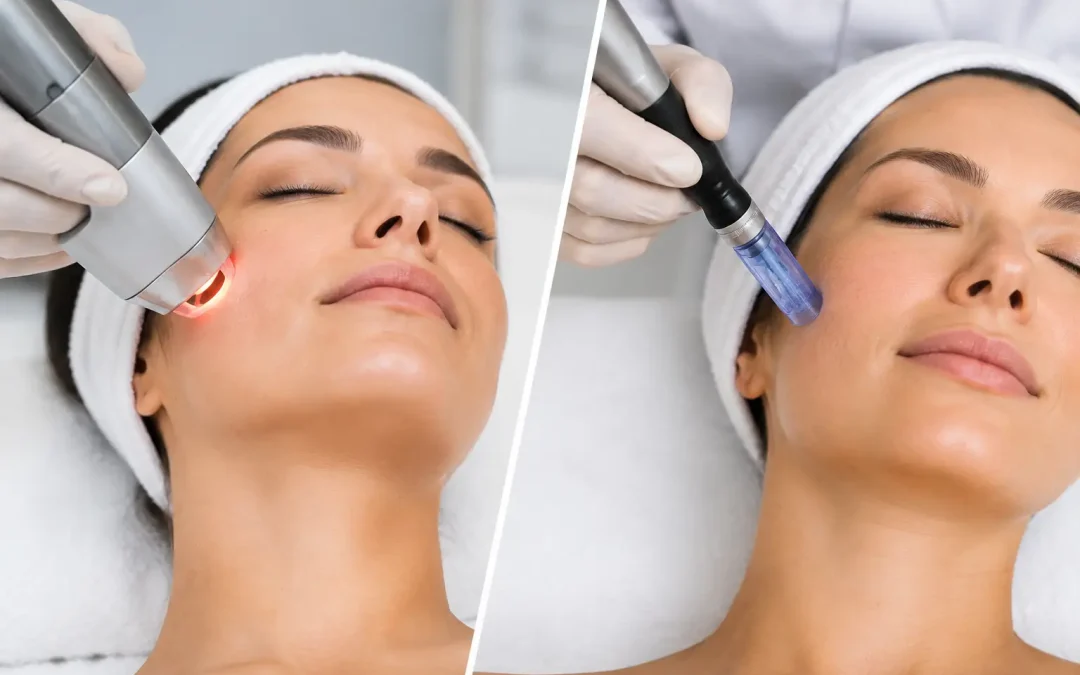
Laser resurfacing uses focused light energy to create controlled treatment zones in the skin. Depending on the laser and settings selected, that energy may target water in the skin, pigment, redness, or a combination of concerns. The healing response stimulates collagen remodeling, while the treatment can also address surface-level irregularities.
Microneedling uses a device with very fine, sterile needles to create precise microchannels in the skin. These tiny channels activate the body’s natural repair process and support new collagen and elastin production. The goal is firmer, smoother, more even-looking skin over time.
In simple terms, laser treatments can offer a more direct approach to certain pigment, texture, and photoaging concerns, while microneedling is often a versatile collagen-building option with a gentler recovery period. Neither should be treated as a one-size-fits-all solution.
When Laser Resurfacing May Be the Better Fit
Laser resurfacing is often chosen by clients who want more noticeable correction for sun-related skin changes, uneven tone, enlarged pores, fine lines, and textural concerns. It can be particularly helpful when the skin has accumulated years of sun exposure, which is common in Central Florida.
The type of laser matters. Some treatments are ablative, meaning they remove a controlled portion of the outer skin layer. These can create more dramatic resurfacing but generally involve more downtime. Non-ablative and fractional laser options deliver energy beneath or through the skin in a more targeted pattern, often allowing for a shorter recovery while still supporting collagen renewal.
A provider may recommend laser resurfacing if your main concern is brown spots, widespread sun damage, stubborn roughness, or fine lines around the mouth and eyes. In many cases, a series of treatments is still recommended, especially when a gradual, natural-looking improvement is the goal.
The trade-off is recovery. After laser resurfacing, skin may feel warm, look red, and develop temporary swelling or a bronzed, sandpaper-like texture as it heals. Stronger treatments can involve several days of peeling and more careful aftercare. Sun avoidance and consistent daily sunscreen are essential before and after treatment.
Laser is not automatically the best choice for every skin tone or pigment concern. Some clients, particularly those with more melanin-rich skin or a history of post-inflammatory hyperpigmentation, need a carefully selected device, conservative settings, and a personalized pre- and post-treatment skincare plan. This does not mean laser is off the table. It means expertise and skin-specific planning matter.
When Microneedling May Be the Better Fit
Microneedling is a popular choice for clients who want to improve early signs of aging, acne scarring, enlarged pores, mild textural irregularities, and overall skin quality without a lengthy recovery. It is also a valuable option for many people who prefer treatments that fit more comfortably into a busy schedule.
After a traditional microneedling session, most clients experience redness similar to a moderate sunburn for one to three days. Skin may feel tight or dry as it recovers. Makeup, exercise, active skincare products, and sun exposure may need to be avoided briefly, but the downtime is typically more manageable than with aggressive resurfacing.
Microneedling is not a quick fix. Collagen remodeling takes time, and the most meaningful changes develop gradually over several weeks and months. A series of treatments, often spaced about four to six weeks apart, is commonly recommended. This gradual process can be a real advantage for clients who want others to notice that they look refreshed without immediately knowing why.
For certain concerns, microneedling may be enhanced with platelet-rich plasma, or PRP. PRP uses a concentrated portion of your own blood, prepared and applied according to your treatment plan, to support the skin’s recovery process. Radiofrequency microneedling is another advanced option that combines microneedling with heat delivered deeper into the skin. It may be considered for more significant laxity, acne scars, and texture concerns, though it has its own recovery and suitability considerations.
Results, Downtime, and Cost: What Actually Matters
The best treatment is not necessarily the strongest one. It is the one you can safely complete, recover from properly, and maintain as part of a realistic skin-health plan.
Laser resurfacing may provide more visible improvement in certain pigmentation and surface texture concerns with fewer sessions, but those sessions can require greater downtime and may cost more per visit. Microneedling often has a lower per-session investment and less downtime, but it usually requires a series for optimal results. Comparing only the price of a single appointment can be misleading.
Your schedule matters, too. If you are preparing for an event in a few weeks, a provider may recommend a conservative treatment or postpone a more intensive laser session until you have enough time to heal. If you have a vacation, outdoor work, or a busy family calendar ahead, timing needs to be part of the conversation.
It also helps to set realistic expectations. Neither treatment replaces a facelift, and neither can erase deep scars or wrinkles completely. Both can create meaningful improvement in smoothness, tone, and firmness when selected appropriately and paired with consistent home care.
Your Skin Type Changes the Recommendation
A consultation should include more than a quick look at your skin. Your provider should ask about your goals, medical history, medications, history of cold sores, tendency to scar, recent tanning, prior aesthetic treatments, and current skincare routine. These details affect both safety and results.
Clients with active acne, open skin, active infections, or certain inflammatory skin conditions may need to postpone treatment until the skin is stable. Those who are pregnant or breastfeeding should discuss which options, if any, are appropriate with their medical provider. If you use prescription retinoids, have recently taken isotretinoin, or are prone to hyperpigmentation, your treatment plan may need special adjustments.
A skilled provider may recommend preparing the skin with a customized skincare regimen before laser resurfacing or microneedling. This can support the skin barrier, help manage pigment risk, and improve the overall treatment response. Afterward, gentle cleansing, moisturizer, sun protection, and following all aftercare instructions protect your investment.
Can You Combine Laser and Microneedling?
In some cases, yes, but not usually in the same aggressive session. A personalized plan may use laser treatment to address sun damage and pigment, then incorporate microneedling later to continue building collagen and improving texture. Others may alternate treatments during different times of year based on sun exposure and recovery needs.
Combination planning is especially helpful when concerns overlap. For example, someone may have both brown spots from sun exposure and acne scars from earlier in life. One modality may address one concern more effectively than the other. Treating the whole picture, rather than chasing one concern at a time without a plan, often leads to more balanced results.
At A Younger You Med Spa, a provider-guided consultation can help determine whether laser resurfacing, microneedling, radiofrequency microneedling, or another skin treatment best supports your goals. You deserve clear answers about expected results, recovery, cost, and what your skin needs now.
The most confidence-building choice is not the trendiest treatment. It is the treatment that respects your skin, fits your life, and gives you a realistic path toward looking as refreshed and vibrant as you feel.