
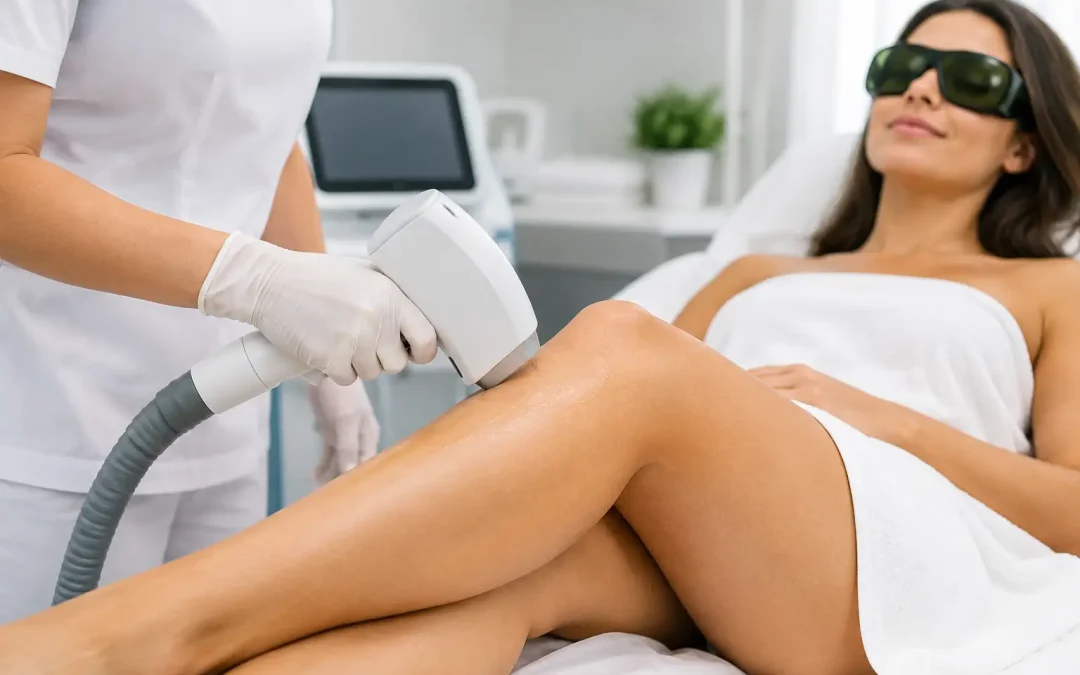
A few minutes spent shaving can feel like a small inconvenience until it becomes part of every morning, every vacation, and every time you want to wear shorts or a swimsuit. The good news is that laser hair removal works by treating the hair at its source rather than simply removing what is visible above the skin. For many people, it offers a practical path toward smoother skin, less irritation, and far less time spent managing unwanted hair.
The best results come from a treatment plan built around your skin tone, hair color, hair density, and the area you would like to treat. Laser hair removal is not a one-session fix, and it is not identical for every person. A thoughtful consultation helps set honest expectations and makes the process feel much more comfortable.
How Laser Hair Removal Works
Laser hair removal uses concentrated, wavelength-specific light energy. The pigment in the hair, called melanin, absorbs that energy and carries heat down into the follicle. When the follicle is effectively treated during the right stage of growth, its ability to produce new hair is reduced.
The laser is drawn to pigment, not simply to the hair you can see on the skin’s surface. That is why darker, coarser hair often responds especially well. The goal is selective treatment of the follicle while protecting the surrounding skin, which is where the right device settings, technique, and provider assessment matter.
Hair grows in cycles. Only hairs in the active growth stage, known as anagen, are connected to the follicle in the way needed for laser energy to have its intended effect. Because neighboring hairs are often in different phases, several appointments are needed to treat each area as more follicles enter that active stage.
What Results Can You Realistically Expect?
Most clients notice that hair grows back more slowly after a series of treatments. The regrowth that does appear is often finer, lighter, and easier to manage. Many people experience a significant long-term reduction in hair, but it is more accurate to think of laser hair removal as long-lasting hair reduction rather than a promise that no hair will ever return.
Hormonal changes, genetics, certain medications, and the treatment area can influence results. For example, facial hair affected by hormones may require occasional maintenance more often than underarm or lower-leg hair. A skilled provider will explain what is realistic for your individual concern rather than offering a one-size-fits-all promise.
Treatment plans commonly include a series of sessions spaced several weeks apart. Body areas are often treated on a different schedule than the face because growth cycles vary. After completing the initial series, some clients choose maintenance visits to preserve their smoother results over time.
Areas Commonly Treated
Laser hair removal can be used on many areas where shaving, waxing, or plucking feels tedious or irritating. Popular choices include the underarms, bikini line, legs, upper lip, chin, sideburns, back, chest, abdomen, and arms. The right approach depends on the sensitivity of the area, the density of the hair, and your goals.
For clients who struggle with razor bumps or ingrown hairs, reducing repeated shaving can be an especially meaningful benefit. In areas such as the bikini line and underarms, less frequent shaving may also mean less friction and irritation.
Who Is a Good Candidate for Laser Hair Removal?
A consultation is the right place to determine whether treatment is appropriate. Hair color, skin tone, recent sun exposure, medical history, and medications all affect the recommendation. Modern laser technology can safely treat a broader range of skin tones than older systems, but correct settings and experienced oversight remain essential.
Traditionally, the strongest contrast between darker hair and lighter skin produced the most straightforward results. Today, device choice and customized settings can expand treatment options for many clients with deeper skin tones. Still, the treatment is generally less effective on very light blonde, gray, white, or red hair because those hairs contain less pigment for the laser to target.
Pregnancy, active skin infections, certain photosensitizing medications, and a recent tan may mean treatment should be delayed. This is not a setback. It is a safety decision that protects your skin and supports better results when the timing is right.
What a Laser Hair Removal Appointment Feels Like
Before the appointment, the treatment area is typically shaved so the laser can focus its energy below the skin instead of singeing long surface hair. Your provider cleanses the skin, reviews any relevant changes in your health or skincare routine, and provides protective eyewear.
During treatment, many clients describe the sensation as a quick snap against the skin followed by brief warmth. Some areas are more sensitive than others, particularly the upper lip and bikini line. Modern systems often include cooling features that make treatment more tolerable, and appointments for smaller areas can be quite quick.
Mild redness or a sensation similar to a light sunburn can occur afterward. Small bumps around follicles may also appear temporarily, which can be a normal response to treatment. These effects usually settle within hours to a day or two, depending on your skin and the area treated.
Preparing for Treatment and Caring for Your Skin Afterward
Good preparation gives the laser the clearest path to the follicle. Avoid waxing, tweezing, threading, or using depilatory creams for several weeks before your session because these methods remove the hair root the laser needs to target. Shaving is generally encouraged before treatment because it leaves the follicle intact.
Sun protection is particularly important in Florida. Avoid intentional tanning and follow your provider’s instructions about sun exposure before and after each appointment. Tanned or sunburned skin can increase sensitivity and may require your session to be rescheduled for safety.
For a short period after treatment, keep the skin calm. Skip hot tubs, saunas, intense heat, and vigorous exercise if your provider recommends it, especially when there is visible redness. Use gentle skincare and sunscreen, and avoid exfoliants, retinoids, or irritating active ingredients on treated facial areas until your skin has settled. If you have questions about a product or reaction, reach out rather than guessing.
Why Personalization Makes a Difference
Laser hair removal is a clinical aesthetic treatment, not an at-home shortcut. The settings that are appropriate for one client may be too aggressive or too mild for another. A plan should account for your skin type, hair characteristics, tolerance, previous hair-removal history, and whether you are treating a small facial area or larger areas such as the legs or back.
At A Younger You Med Spa, laser treatment begins with listening to what is frustrating you and what results would make a difference in your daily routine. Provider-guided care allows your plan to be adjusted as your skin responds, with clear guidance before, during, and after treatment.
Cost is also best viewed in context. While a treatment series requires an upfront commitment, many clients find that reducing routine waxing appointments, razor purchases, and the time spent shaving makes it a worthwhile investment. Your consultation should include transparent discussion of the recommended number of sessions, timing, and whether maintenance may be useful.
Smooth skin is not about meeting anyone else’s standard. It can simply mean stepping out the door without planning around a razor, covering irritation, or worrying about stubble. A personalized laser hair removal consultation can help you decide whether that kind of freedom is the right fit for you.