
A little puffiness after lip, cheek, under-eye, or jawline filler can feel bigger than it looks, especially when you are watching closely for your final result. Knowing how to reduce filler swelling starts with understanding that mild swelling is usually a normal part of the healing process. Your body is responding to tiny needle or cannula entry points, the placement of filler, and temporary fluid shifts in the treated area.
Most swelling improves steadily over the first few days. The best approach is gentle, consistent aftercare rather than trying to speed healing with aggressive massage, heat, or unapproved remedies. Your injector should always be your first source for instructions because the right aftercare can vary based on the filler used and the area treated.
Why filler swelling happens
Dermal fillers add shape, support, and volume beneath the skin. Even with a careful technique, the skin and underlying tissue can become mildly inflamed from the treatment itself. Hyaluronic acid fillers also attract water, which can make early fullness look more pronounced before the product settles.
Swelling is often most noticeable in areas with delicate skin or abundant blood supply. Lips commonly swell more than cheeks or the jawline, and under-eye treatments may take longer to settle because that area is naturally prone to fluid retention. If you had several areas treated, received a larger volume of product, exercised soon afterward, or are sensitive to injections, you may also experience more temporary puffiness.
Mild tenderness, small bruises, and uneven-looking fullness can occur alongside swelling. These early changes do not necessarily reflect your final result. Depending on the treatment area and product, it can take one to two weeks for filler to settle fully.
How to reduce filler swelling safely
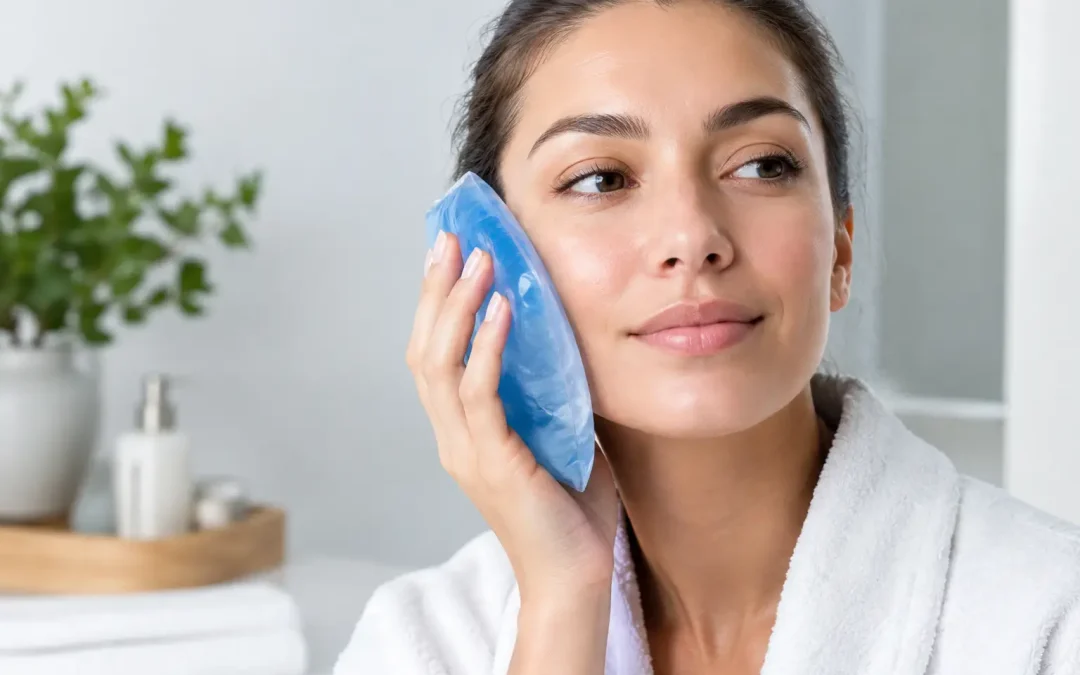
For the first 24 to 48 hours, think cool, calm, and hands-off. Apply a clean cold compress wrapped in a soft cloth for brief intervals, such as 10 to 15 minutes at a time. Never place ice directly on your skin, and avoid pressing firmly on the treated area. Gentle cooling can ease discomfort and help limit visible puffiness without disrupting the filler.
Keep your head elevated when you rest. An extra pillow at night can be particularly helpful after lip, cheek, or under-eye filler. Elevation supports normal fluid drainage and may make morning swelling less noticeable.
Hydration also matters. Drink water regularly, eat balanced meals, and avoid very salty foods for a day or two if you tend to retain fluid. While hydration will not erase swelling overnight, it supports your body as it recovers. Alcohol can contribute to dehydration, flushing, and bruising, so it is best to skip it for at least 24 hours or longer if your provider recommends it.
Give your body a quiet recovery window. Avoid strenuous workouts, hot yoga, saunas, steam rooms, hot tubs, and excessive sun exposure for the first day or two. Heat and increased circulation can make swelling and redness more noticeable. A relaxed walk is generally different from an intense workout, but follow the specific plan provided by your injector.
Do not massage, press, or manipulate the filler unless your provider specifically instructs you to do so. Some treatment areas and products benefit from carefully directed massage, while others do not. Internet advice is not a substitute for instructions tailored to your treatment.
If you need relief from soreness, ask your injector which option is appropriate for you. Some common over-the-counter medications can increase bruising risk or may not be right for your health history. The safest choice depends on your medical conditions, medications, and treatment plan.
What to avoid while filler settles
A few small choices can protect both your comfort and your result. For the first day, avoid facial treatments, facials, chemical peels, microneedling, laser treatments, and vigorous facial massage. Wait until your provider confirms it is safe before scheduling other aesthetic services in the same area.
Try not to sleep face-down or put prolonged pressure on a freshly treated area. This is especially relevant after cheek, temple, or jawline filler. Avoid tight helmets, goggles, masks, or anything else that presses firmly against the injection sites when possible.
It is also wise to postpone dental work after certain filler treatments if your injector advises it. Dental procedures can involve pressure and bacteria exposure around the mouth, so timing should be discussed before you book an appointment. The ideal waiting period depends on the treated area and your individual history.
Skip new supplements or home remedies without checking first. Products marketed for bruising or swelling are not automatically appropriate for everyone, and some supplements can affect bleeding or interact with medications. Clear, provider-guided care is more valuable than a crowded medicine cabinet.
What is normal, and what deserves a call?
Normal swelling should gradually improve, even if it fluctuates during the day. Lips may appear uneven for several days. Under-eye filler can look puffy in the morning and better later in the day. Bruising may shift in color as it heals, and small areas of firmness can occur while tissue settles.
Contact your injector promptly if swelling is getting worse after the first couple of days, remains significant beyond the timeframe you were given, or is accompanied by increasing pain, warmth, spreading redness, drainage, fever, or firm lumps that concern you. These symptoms do not always mean there is a serious problem, but they should be assessed rather than guessed at.
Some symptoms require immediate medical attention. Severe or escalating pain, skin that turns pale, gray, blue, or blotchy, a cold sensation in the skin, blistering, vision changes, dizziness, or trouble speaking are not typical post-filler effects. Contact your injector immediately and seek emergency care when advised. Rare filler complications are most effectively managed when addressed without delay.
Your treatment plan affects your recovery
There is no single swelling timeline that fits every injectable treatment. Lip filler may look dramatic for 24 to 72 hours, while cheek filler can feel subtly full or tender for longer. Under-eye filler requires particularly thoughtful assessment because natural fluid retention, anatomy, and product selection all influence the outcome.
This is why an experienced provider begins with more than a syringe and a goal photo. Your facial anatomy, skin quality, previous treatments, medical history, lifestyle, and desired level of correction all matter. Conservative placement and appropriate product selection can support a natural-looking result while helping minimize unnecessary swelling and downtime.
Before your appointment, share any history of cold sores, allergies, autoimmune conditions, medications, supplements, previous filler, or prior complications. A good consultation is also the right time to discuss an upcoming wedding, vacation, professional event, or family photos. Planning ahead gives swelling and bruising time to resolve without adding pressure to your recovery.
A calmer way to approach filler aftercare
It is understandable to check the mirror often after an injectable appointment. Still, judging filler too early can create unnecessary worry. Take a photo in consistent lighting if your provider recommends tracking progress, then give your face time to settle. Focus on gentle cooling, hydration, elevation, and the personalized instructions you received.
At A Younger You Med Spa, thoughtful aftercare is part of the experience, not an afterthought. When you have questions about swelling or how your result is progressing, reaching out to your injector is a confident, responsible next step. You deserve clear answers, compassionate guidance, and results that feel like you.