
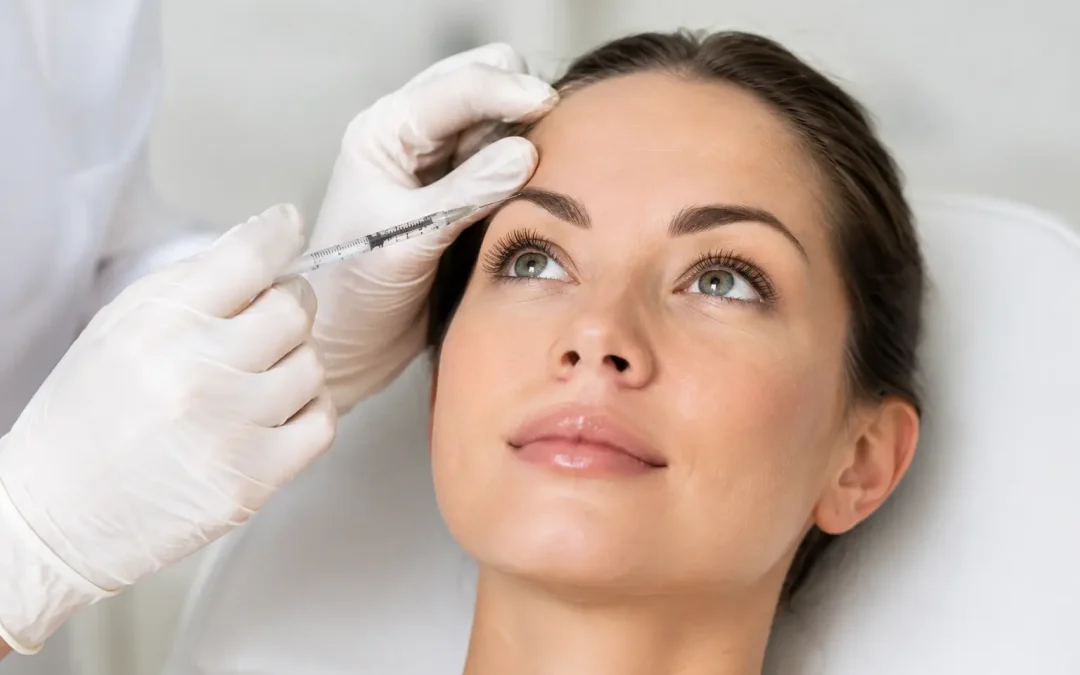
A common question before injectable treatment is, does botox migrate? It is an understandable concern, especially if you have seen photos or heard stories about a droopy eyelid, uneven brow, or a smile that looks different after treatment. The reassuring answer is that Botox does not travel freely throughout the face or body. However, the medication can affect an unintended nearby muscle when placement, dose, anatomy, or aftercare are not carefully considered.
That distinction matters. Botox can be a beautiful option for softening expression lines while preserving natural movement, but the best results depend on thoughtful, individualized treatment. A qualified medical provider should assess how your muscles move, how your brows and eyelids rest, and what result you want before a single unit is placed.
Does Botox Migrate From the Injection Site?
Botox is a brand of neuromodulator. It works by temporarily reducing the nerve signals that tell a targeted muscle to contract. When that muscle relaxes, dynamic lines such as frown lines, forehead lines, and crow’s feet can appear softer.
After an injection, a very small amount of product may diffuse into the tissue immediately surrounding the treatment area. This limited local spread is different from Botox “migrating” across your face. It does not move from your forehead to your lips days later, and it does not drift unpredictably through your body.
When someone experiences an unwanted change after treatment, it is more often related to the product affecting a nearby muscle than to long-distance migration. For example, treating the forehead requires particular precision because the frontalis muscle helps lift the brows. If too much relaxation occurs in the wrong area, or if a person already has a heavy brow or lid, the brow may sit lower temporarily.
Why Unwanted Botox Results Can Happen
Every face has its own muscle strength, asymmetries, skin laxity, brow position, and eyelid anatomy. Two people can receive the same number of units in the same general area and have noticeably different results. That is why a copied injection map or a one-size-fits-all dose is not the right approach.
Injection placement and depth
Facial muscles are close together, particularly around the eyes, brows, nose, and mouth. A provider needs detailed knowledge of facial anatomy to select the appropriate injection points and depth. Precise placement helps keep the treatment focused on the intended muscle.
Dose and muscle strength
More is not always better. A strong muscle may need a different plan than a delicate one, but overtreating can create a result that looks too smooth, heavy, or less expressive than you intended. Starting conservatively can be especially helpful for first-time clients or anyone who prefers a natural-looking outcome.
Individual anatomy
A naturally low brow, hooded eyelids, pre-existing eyelid asymmetry, or reliance on forehead movement to keep the eyes feeling open can affect treatment planning. An experienced provider looks at your face at rest and in motion, not just at the lines you would like to soften.
Timing and expectations
Botox results develop gradually. Many clients begin to notice a change within several days, with the full effect commonly visible around 10 to 14 days. During that window, minor asymmetry can be part of the settling process. A proper follow-up timeline prevents premature conclusions and gives your provider the information needed to determine whether an adjustment is appropriate.
Can Rubbing Your Face Make Botox Move?
You may hear a long list of strict post-treatment rules online. The truth is more balanced. It is reasonable to avoid rubbing, pressing firmly on, or receiving a facial massage in the treated area right after your appointment. You should also follow the specific aftercare instructions provided by your injector.
For many clients, providers recommend remaining upright for several hours and postponing strenuous exercise until the next day. These precautions are simple and can support a comfortable recovery. But normal facial expressions, gentle skincare, sleeping in your usual position later that evening, or briefly touching your face are not likely to cause Botox to migrate across your face.
The most helpful approach is not to panic over every movement. Instead, protect the treatment area as directed, avoid scheduling other facial services too close to your injections, and contact your provider if you are unsure about a specific activity.
What a Temporary Eyelid or Brow Drop Means
A drooping eyelid or brow is uncommon, but it is one of the concerns people most often associate with Botox migration. These are different issues.
Brow ptosis occurs when the brow sits lower than expected, often because the forehead muscle has been relaxed too much for that person’s anatomy. Eyelid ptosis is a lower upper eyelid position and may occur if medication affects a muscle involved in eyelid elevation. Both are temporary, but they should be evaluated by your injector promptly.
If you notice a new heavy feeling in one eyelid, a significant change in brow height, double vision, trouble speaking or swallowing, weakness beyond the treated area, or any breathing difficulty, seek medical guidance right away. Severe reactions are rare, but symptoms involving vision, swallowing, or breathing should never be ignored.
For less urgent concerns, take clear photos at rest and with your eyebrows raised, then contact the practice that performed your injections. Avoid trying to correct the issue yourself with extra product from another provider before a proper assessment. In some situations, a provider may recommend observation, a targeted adjustment, or a prescription eye drop when clinically appropriate.
How to Lower Your Risk Before Botox
The best prevention begins before the appointment. Choose a licensed, properly trained medical injector who performs a full facial assessment and is willing to discuss both benefits and limitations honestly. You should feel comfortable asking why a particular area is being treated, how many units are recommended, and what a natural result means for your face.
Be open about previous injectable treatments, prior eyelid surgery, neurological conditions, allergies, medications, and whether you are pregnant or breastfeeding. These details help your provider determine whether treatment is appropriate and how to plan it safely. Botox is not the right choice for everyone at every visit.
At A Younger You Med Spa, treatment planning is centered on your goals, facial anatomy, and comfort level. Some clients want a softened but expressive forehead; others want to focus on frown lines while leaving forehead movement largely intact. There is value in making those decisions together rather than chasing a standard look.
It also helps to schedule your first treatment when you do not have an immediate major event. While most people return to normal activities right away, allowing two weeks before photographs, weddings, reunions, or important presentations gives your result time to settle and leaves room for a follow-up if needed.
Botox Results Should Look Like You
When Botox is placed thoughtfully, friends may notice that you look rested without knowing why. You should still look like yourself, just with less pull from the muscles that create the lines you want to soften. That natural result is not accidental. It comes from clinical skill, careful dosing, and a provider who listens.
If fear of migration has kept you from booking, bring the question to a qualified injector rather than relying on alarming social media stories. A personalized consultation can clarify what Botox can realistically do for you, which areas deserve extra caution, and whether a conservative first treatment is the best next step.