
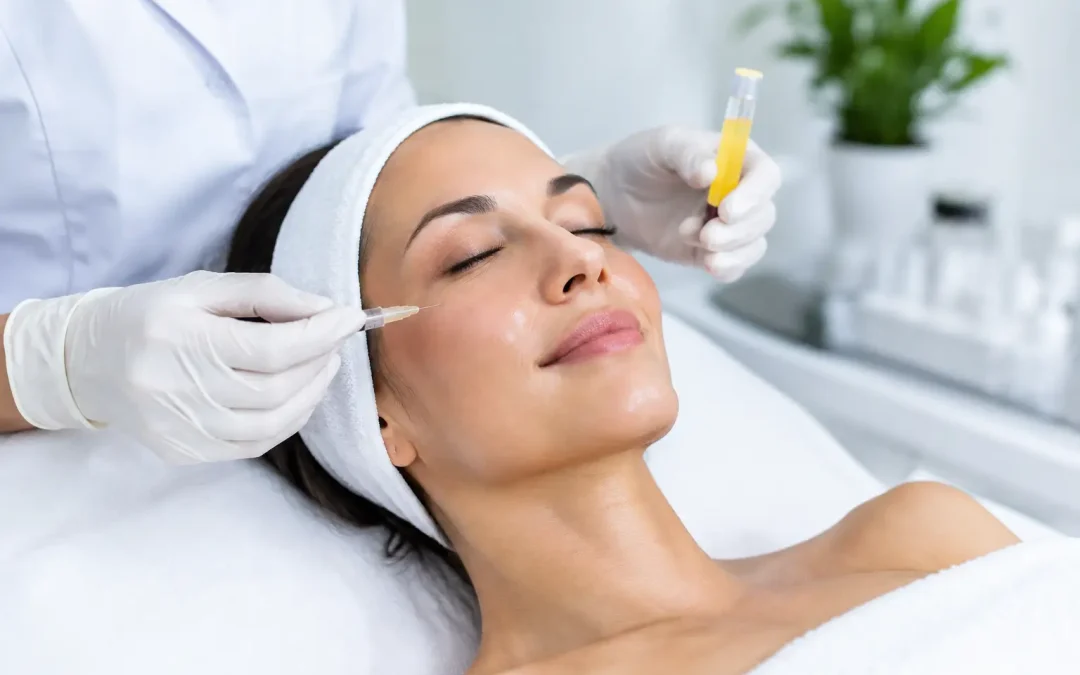
A platelet rich plasma facial is often called a “vampire facial,” but the popular nickname does not explain what makes this treatment appealing. The real benefit is its personalized approach: using concentrated components from your own blood to support skin renewal. For women who want fresher, smoother-looking skin without surgery or a dramatic change in their appearance, PRP can be a thoughtful part of a long-term rejuvenation plan.
At A Younger You Med Spa, we believe your skin deserves more than a trend-driven treatment. Your skin type, concerns, medical history, tolerance for downtime, and goals all matter when deciding whether platelet-rich plasma is the right fit.
What Is a Platelet Rich Plasma Facial?
Platelet-rich plasma, or PRP, is made from a small sample of your own blood. After the blood is collected, it is placed in a centrifuge that separates its components. The resulting plasma contains a concentrated level of platelets and naturally occurring growth factors.
In facial rejuvenation, PRP is commonly paired with microneedling. Microneedling creates controlled microchannels in the skin, and PRP may be applied during the treatment to support the skin’s natural repair process. In some cases, a qualified provider may also discuss PRP injections for select concerns, such as delicate creasing or hollowness under the eyes. The best technique depends on the area being treated and what you hope to improve.
Unlike fillers, which add immediate volume, or neuromodulators, which relax targeted muscle movement, a platelet rich plasma facial focuses on skin quality. Think texture, tone, fine lines, and an overall healthier-looking glow. Results develop gradually because the skin needs time to respond and renew.
What Concerns Can PRP and Microneedling Address?
PRP is not a one-treatment answer for every facial concern, but it can be a valuable option for clients who prefer a natural-looking approach. It is often considered for early signs of aging, dullness, uneven texture, fine lines, enlarged-looking pores, and certain types of acne scarring.
Clients may also ask about PRP when their skin appears crepey around the cheeks or under-eye area. This is a sensitive region that requires careful assessment. Under-eye darkness can come from pigmentation, visible blood vessels, loss of volume, genetics, or shadowing from facial anatomy. PRP may be appropriate for some people, while filler, laser treatment, professional skincare, or a combination plan may better address the underlying cause for others.
For hyperpigmentation, melasma, rosacea, or active acne, individualized guidance is especially valuable. Microneedling can be helpful in the right setting, but inflamed skin may need to be calmed first. A provider-guided plan helps protect your skin barrier instead of asking it to do too much at once.
What Happens During Treatment?
Your appointment begins with a consultation and skin assessment. Your provider will review your health history, current medications and supplements, allergies, past cosmetic treatments, and the specific changes you would like to see. Honest conversations matter here. If another treatment is likely to be more effective for your concern, you deserve to hear that.
For the PRP portion of treatment, a small blood draw is performed, similar to routine lab work. While the sample is processed, your skin is cleansed and a topical numbing cream may be applied to promote comfort. Once the PRP is prepared, microneedling is performed in a controlled pattern across the treatment area, with PRP used according to your customized protocol.
Most clients describe a sensation of light pressure, vibration, or warmth rather than significant pain, particularly when numbing has had enough time to work. Treatment length varies, but many appointments can be completed within about an hour, depending on the areas being addressed.
What Does Recovery Look Like?
Expect your skin to look pink to red afterward, much like a mild to moderate sunburn. Some swelling, warmth, tightness, pinpoint bleeding, or tenderness can occur, especially in more sensitive areas. These effects are generally temporary, and visible redness often improves within one to three days. Deeper microneedling settings or more reactive skin can mean a longer recovery period.
Your aftercare instructions should be specific to your treatment, but gentle care is usually the rule. Avoid makeup for the timeframe recommended by your provider, use mild skincare products, keep the skin moisturized, and protect it from heat and direct sun exposure. Florida sunshine can quickly worsen irritation and pigmentation, so daily broad-spectrum sunscreen is not optional after a facial treatment.
You may also need to pause certain active ingredients, such as retinoids, exfoliating acids, or benzoyl peroxide, before and after your appointment. Do not assume every product in your routine is safe to use during recovery. A short break can prevent unnecessary irritation and support better healing.
When Will You See Results?
Some clients notice a brighter, more hydrated appearance once the initial redness has faded. The more meaningful changes are gradual. Collagen remodeling and skin renewal take time, so improvements in texture and fine lines may continue to develop over several weeks.
Many people benefit from a series of treatments rather than a single appointment. The right number depends on your starting point, the concern being treated, your age, skin health, and how your skin responds. Acne scars, for example, often require a more structured series than general maintenance or radiance-focused treatments.
Results also depend on the habits that support your skin between visits. Consistent sunscreen use, a well-matched home skincare routine, adequate hydration, and avoiding smoking all affect how well your skin maintains its progress. PRP works with your biology, not against it, which is why patience and consistency are part of the process.
Who May Need a Different Approach?
A platelet rich plasma facial is not right for everyone at every moment. Your provider may recommend waiting or selecting another option if you have an active skin infection, open lesions, an acne flare, uncontrolled inflammatory skin disease, a bleeding or platelet disorder, or certain medical conditions. Pregnancy, breastfeeding, medications that affect clotting, and recent use of some anti-inflammatory medications should also be discussed during consultation.
PRP is made from your own blood, which reduces the concern of a reaction to a donor product. Still, no aesthetic treatment is risk-free. Bruising, prolonged redness, swelling, infection, post-inflammatory pigmentation changes, and unsatisfactory results are possible. Choosing a medically guided practice, following aftercare instructions, and sharing your full health history can help reduce avoidable risk.
It also helps to keep expectations realistic. PRP can improve the look and feel of skin, but it will not replace surgery for significant laxity, erase deep etched wrinkles overnight, or create the immediate lift of strategically placed dermal filler. In many cases, the most natural-looking result comes from combining treatments thoughtfully over time rather than relying on one procedure.
Building a Plan That Feels Like You
The best facial rejuvenation plans are built around your priorities, not a menu of what is popular. If you want to look rested without looking “done,” PRP with microneedling may complement professional skincare, chemical peels, laser services, injectables, or other treatments recommended for your skin.
A consultation is the place to ask practical questions: What result is realistic for my concern? How many sessions might I need? What will recovery mean for work, events, and family life? What should I use on my skin afterward? Clear answers make it easier to choose treatment with confidence.
Healthy-looking skin is rarely about chasing perfection. It is about selecting care that respects your features, your schedule, and the way you want to feel when you look in the mirror.