
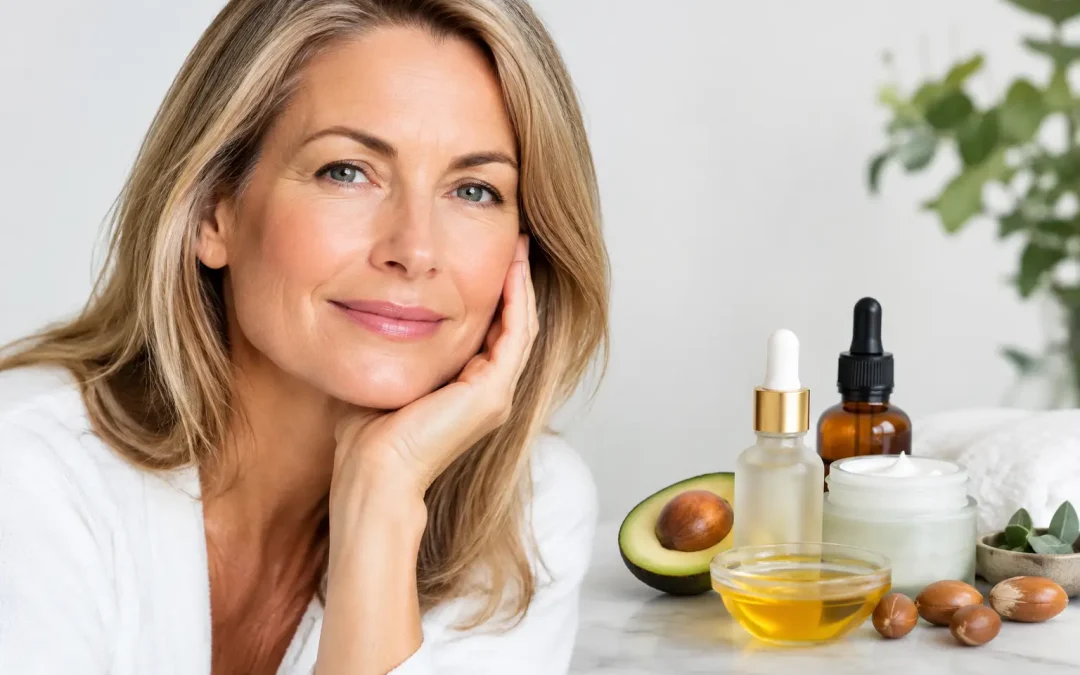
Your skin may not suddenly look different the morning you turn 40, but its needs often do. Cell turnover gradually slows, collagen production declines, and years of sun exposure can become more visible as fine lines, uneven tone, dryness, or stubborn dark spots. The top skincare ingredients after 40 are not about chasing a perfect complexion. They are about supporting healthy skin with a routine that feels realistic, comfortable, and tailored to you.
At this stage, more products do not automatically mean better results. A thoughtful formula, used consistently and introduced at the right pace, can make a meaningful difference. The best choices depend on whether your priority is discoloration, sensitivity, acne, dryness, texture, or visible loss of firmness.
Start With the Foundation: Daily Sun Protection
If there is one product worth making non-negotiable, it is broad-spectrum sunscreen with SPF 30 or higher. UV exposure is a leading contributor to premature visible aging, including fine lines, laxity, uneven pigment, and rough texture. Even the most sophisticated serums have limited value if skin is regularly exposed to unprotected sunlight.
Choose a sunscreen you will actually wear every day. Mineral formulas containing zinc oxide or titanium dioxide can be a comfortable choice for sensitive or redness-prone skin. Chemical formulas may feel lighter or blend more easily for some people. Tinted sunscreen can also offer a polished finish while helping protect against visible light, which may worsen certain forms of hyperpigmentation.
Apply it every morning to the face, neck, chest, and other exposed areas. If you spend extended time outside, sweating, swimming, or driving with substantial sun exposure, reapplication matters.
Retinoids: The Gold Standard for Texture and Lines
Retinoids are vitamin A derivatives with a well-earned place in mature skin care. They encourage cell turnover and support collagen production, helping improve the appearance of fine lines, uneven texture, enlarged-looking pores, and some discoloration over time. Options range from over-the-counter retinol and retinaldehyde to prescription-strength tretinoin.
The trade-off is that retinoids can cause dryness, flaking, or irritation, especially when used too frequently at the beginning. Mature skin is not always fragile, but it can be less forgiving of an aggressive routine. Start with a lower-strength product two nights per week, then increase gradually only if your skin remains comfortable.
Use a gentle cleanser, apply a pea-sized amount to dry skin, and follow with moisturizer. If you are sensitive, applying moisturizer before and after your retinoid can help cushion the skin. Retinoids are generally avoided during pregnancy, so ask your medical provider about appropriate alternatives if that applies to you.
Retinol Is Helpful, but Consistency Wins
A stronger product is not necessarily the better product. The retinoid you can use regularly without persistent redness or peeling will usually serve you better than one that leaves your skin inflamed. Visible improvement can take several months, which is why patience and daily sunscreen are essential partners in the process.
Vitamin C for Brightness and Environmental Support
Vitamin C is an antioxidant that helps defend skin against environmental stressors and can support a brighter, more even-looking complexion. It is particularly helpful for people noticing dullness, sun-related spots, or lingering discoloration from past blemishes.
L-ascorbic acid is the most researched form, though it can be irritating for some sensitive skin types. If your skin tends toward rosacea, dryness, or stinging, a gentler vitamin C derivative may be a better fit. Vitamin C is often used in the morning under sunscreen, but the right formulation matters more than a rigid routine rule.
Store vitamin C products away from heat and light. If a serum turns dark orange or brown, it may be oxidized and less effective. A fresh, stable formula and consistent use are more valuable than a high percentage alone.
Peptides and Growth Factors for a Supportive Approach
Peptides are short chains of amino acids used in many professional skincare formulas to support a smoother, firmer-looking appearance. They are not a replacement for sunscreen or a retinoid, but they can be a welcome addition for skin that needs hydration and a gentler approach to age-related changes.
Growth factor-based products are another category often used in medical aesthetics. These formulas are designed to support skin renewal and can be especially appealing when paired with in-office treatments such as microneedling, chemical peels, or laser and IPL procedures. Because formulations vary widely, provider guidance can help you select a product appropriate for your skin and treatment plan.
Hyaluronic Acid and Ceramides for Comfortable Hydration
Fine lines can look more pronounced when skin is dehydrated. Hyaluronic acid is a humectant, meaning it attracts water to the skin and gives it a more cushioned, refreshed appearance. It is suitable for most skin types, including oily skin, but it works best when paired with a moisturizer that helps seal hydration in.
Ceramides are equally valuable. These naturally occurring lipids help support the skin barrier, which is the outer layer that keeps moisture in and irritants out. As skin changes with age, a strong barrier can make the difference between a routine that feels soothing and one that leads to ongoing tightness, sensitivity, or redness.
Look for a moisturizer with ceramides, glycerin, squalane, or fatty acids. This is not an optional step reserved for dry skin. Balanced hydration helps skin tolerate active ingredients and can improve the appearance of texture at any age.
Niacinamide for Tone, Pores, and Barrier Support
Niacinamide, a form of vitamin B3, is one of the most versatile ingredients for skin after 40. It can help support the moisture barrier, calm the look of redness, improve uneven tone, and minimize the appearance of pores. It is also usually easier to tolerate than many stronger actives.
For clients managing both signs of aging and occasional breakouts, niacinamide can be especially useful. It layers well with hydrating serums, vitamin C, and many retinoid routines. If a high-concentration formula causes tingling or flushing, a lower percentage may be a better choice.
Exfoliating Acids: Useful, Not Necessary Every Night
Alpha hydroxy acids, such as glycolic acid and lactic acid, exfoliate the surface of the skin to improve softness and radiance. Lactic acid is often a gentler starting point for dry or sensitive skin, while glycolic acid may be more effective for noticeable rough texture. Salicylic acid, a beta hydroxy acid, can help if clogged pores and adult acne remain concerns.
The key is restraint. Over-exfoliating can weaken the skin barrier, worsen irritation, and make pigmentation look more noticeable. If you use a retinoid, avoid adding a strong exfoliating acid on the same night until you know your skin tolerates both. One or two exfoliation nights each week may be plenty.
The Top Skincare Ingredients After 40 Work Better With a Plan
A routine does not need to contain every active ingredient to be effective. For many people, a gentle cleanser, antioxidant serum, moisturizer, and sunscreen in the morning, followed by cleanser, retinoid, and moisturizer at night is a strong starting point. Add exfoliation or targeted pigment care only when it serves a clear concern.
Some concerns need more than topical care alone. Deeper sun damage, pronounced texture changes, acne scarring, redness, and volume loss may respond best to a personalized combination of professional skincare and treatments such as chemical peels, microneedling, IPL, laser therapy, or injectables. At A Younger You Med Spa, recommendations are guided by your skin type, goals, and comfort level, not by a one-size-fits-all routine.
Your skin deserves care that feels sustainable, not stressful. Start with protection and hydration, introduce one active at a time, and give each change time to work. A knowledgeable provider can help you sort through the options and choose a path that supports healthy, confident-looking skin at every age.