
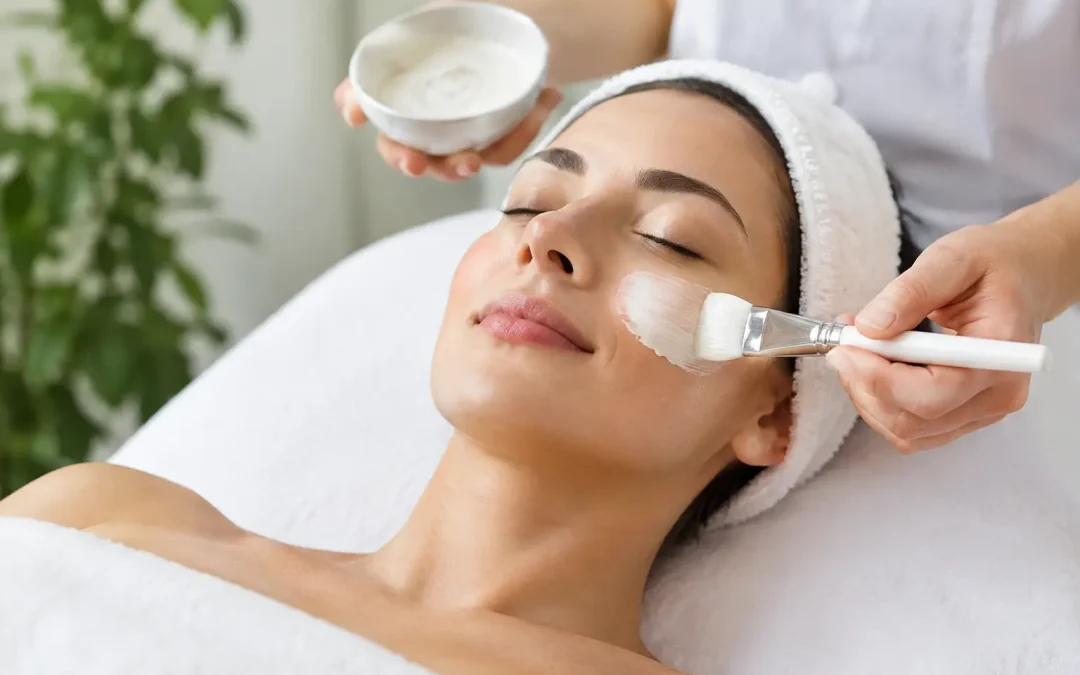
A facial should leave your skin feeling comfortably hydrated and refreshed, not hot, tight, or covered in new bumps two days later. The best facials for sensitive skin are not necessarily the strongest or most complicated. They are the treatments that respect your skin barrier, address your specific concerns, and are adjusted in real time based on how your skin responds.
Sensitive skin can be frustrating because it does not always behave the same way. A product or treatment you tolerated last month may sting during a rosacea flare, after a day in the Florida sun, or when your barrier is already stressed. That is why a personalized approach matters more than following a trending facial menu.
What Sensitive Skin Really Needs From a Facial
Sensitive skin is a broad term. For some people, it means frequent redness, burning, or flushing. For others, it means dryness, eczema-prone patches, breakouts from heavy products, or irritation after exfoliation. Rosacea, allergies, acne medications, retinoids, and recent cosmetic treatments can also make skin more reactive.
A well-chosen facial focuses first on comfort and barrier support. Your skin barrier is the outer protective layer that helps hold moisture in and keep environmental irritants out. When that barrier is weakened, even water, fragrance, or a normally gentle cleanser may cause stinging.
The right professional facial should use mild cleansing, soothing hydration, and thoughtful ingredient choices. It should also allow your aesthetic provider to skip, shorten, or modify steps when your skin says it has had enough. More intensity does not automatically mean better results, especially when inflammation is part of the problem.
Best Facials for Sensitive Skin Concerns
The best option depends on whether your main concern is dryness, redness, congestion, acne, uneven tone, or early signs of aging. A consultation helps separate treatments that may feel calming in the moment from those that can support healthier skin over time.
Hydrating and Barrier-Repair Facials
For skin that feels dry, tight, flaky, or easily irritated, a hydrating facial is often the most comfortable place to start. This treatment typically centers on gentle cleansing, light exfoliation only if appropriate, hydrating serums, and a calming mask. Ingredients such as hyaluronic acid, ceramides, peptides, glycerin, and soothing botanical extracts may help replenish moisture without aggressively resurfacing the skin.
This is a smart choice before a special occasion when you want a healthy glow without significant downtime. It can also be a valuable maintenance treatment for skin that has become reactive from seasonal dryness, travel, stress, or an overly active at-home routine.
The trade-off is that a hydration-focused facial will not dramatically clear deep congestion or correct significant discoloration in one visit. Its value is in restoring comfort and creating a healthier foundation for future treatments.
Calming Facials for Redness and Rosacea-Prone Skin
If your face often flushes, feels warm, or develops persistent redness, a calming facial should avoid common triggers such as heat, friction, abrasive scrubs, and strong acids. The goal is to reduce surface irritation while providing gentle moisture and support.
Your provider may select fragrance-free products, cool compresses, and a simple treatment sequence that does not overstimulate the skin. Extractions may be avoided or kept very limited, since pressure and manipulation can worsen redness for some clients.
A facial cannot cure rosacea, and active rosacea may require medical evaluation and ongoing management. Still, an appropriately modified facial can be a welcome form of self-care when it is planned around your known triggers and performed by someone who understands reactive skin.
Gentle Enzyme Facials for Dullness
Dull, rough-looking skin does not always need a strong peel. Gentle enzyme exfoliation can loosen dead surface cells without the harsher feel of scrubs or more aggressive chemical exfoliants. This may be appropriate for sensitive skin that looks lackluster but is not currently inflamed, peeling, or compromised.
Enzyme treatments vary widely, so the details matter. A provider should choose a mild formula, monitor timing carefully, and avoid layering it with other potentially irritating steps. If you are new to professional exfoliation, it is reasonable to begin conservatively and assess your skin over the following days.
Acne-Safe Facials With Careful Extractions
Sensitive skin and acne can occur together, which makes treatment especially nuanced. Harsh scrubbing, drying masks, and repeated extraction can create more inflammation, even when the intention is to clear pores. A gentle acne-focused facial may include thorough cleansing, mild pore-softening steps, carefully performed extractions, and non-comedogenic hydration.
Not every breakout needs extraction. Inflamed cystic acne, open lesions, and very tender skin should be handled cautiously. Your provider may recommend a treatment plan that combines professional care with an appropriate home routine rather than trying to address every concern in one appointment.
Light Chemical Peels for the Right Candidate
Some sensitive-skin clients can tolerate a superficial chemical peel, but this is not a universal starting point. A professionally selected light peel may help with mild texture concerns, acne-related congestion, or uneven pigment. The safest choice depends on your skin tone, barrier health, previous reactions, current skincare, and history of hyperpigmentation.
A peel should be postponed if you are sunburned, actively irritated, using certain prescription acne products, or recovering from another procedure. A conservative approach often produces better long-term results than pushing through visible irritation. Your provider can recommend whether a peel, a calming facial, or a staged plan makes the most sense.
Treatments Sensitive Skin May Need to Avoid or Modify
Sensitive skin does not mean you can never receive advanced aesthetic care. It does mean treatment settings, product selection, timing, and recovery instructions deserve more attention. During a consultation, share any history of eczema, rosacea, cold sores, allergies, melasma, post-inflammatory hyperpigmentation, or reactions to prior treatments.
Be especially cautious with aggressive manual exfoliation, heavily fragranced products, high-strength acids, hot steam, prolonged heat, and facial massage that creates substantial friction. Strong treatments can be appropriate for some clients at the right time, but they should not be chosen simply because they are popular.
If you are considering microneedling, laser, IPL, or a stronger peel, professional evaluation is essential. These treatments can be effective for certain concerns, yet they require the right candidate, the right settings, and a carefully planned recovery period. A reactive barrier should be stabilized before introducing more intensity.
How to Prepare for a Sensitive-Skin Facial
Give your provider a clear picture of your current routine and any recent changes. Bring or photograph your skincare products if you are unsure about the ingredients. In the days before your facial, avoid trying new products or adding extra exfoliation at home.
Unless your provider tells you otherwise, pause retinoids, exfoliating acids, scrubs, and at-home peel products before treatment. The exact timing depends on the product and facial service, so ask rather than guessing. Arrive with clean skin if possible, and do not schedule a new facial immediately before an event if your skin is highly reactive.
After your facial, keep the routine simple. Use a gentle cleanser, a barrier-supporting moisturizer, and daily broad-spectrum sunscreen. Avoid hot workouts, saunas, direct sun exposure, and active skincare products for the time period your provider recommends. A little pinkness can happen, but burning, swelling, hives, or worsening discomfort are reasons to contact the treatment provider promptly.
Why a Personalized Consultation Makes the Difference
The most effective facial is not found by selecting a single item from a menu. It is built around your skin on that day. A skilled aesthetic provider will ask what products you use, what has irritated you before, what results you want, and how much downtime you can realistically manage.
At A Younger You Med Spa, sensitive-skin care begins with listening. Your treatment can be adjusted to support hydration, address congestion, or complement a broader plan for redness, texture, or age-related changes. Provider-guided recommendations are especially helpful when you want results without taking unnecessary risks with your skin.
Your skin does not need to be pushed to prove that a facial worked. When it feels calm, supported, and gradually more resilient, you are building the kind of healthy glow that lasts beyond one appointment.