
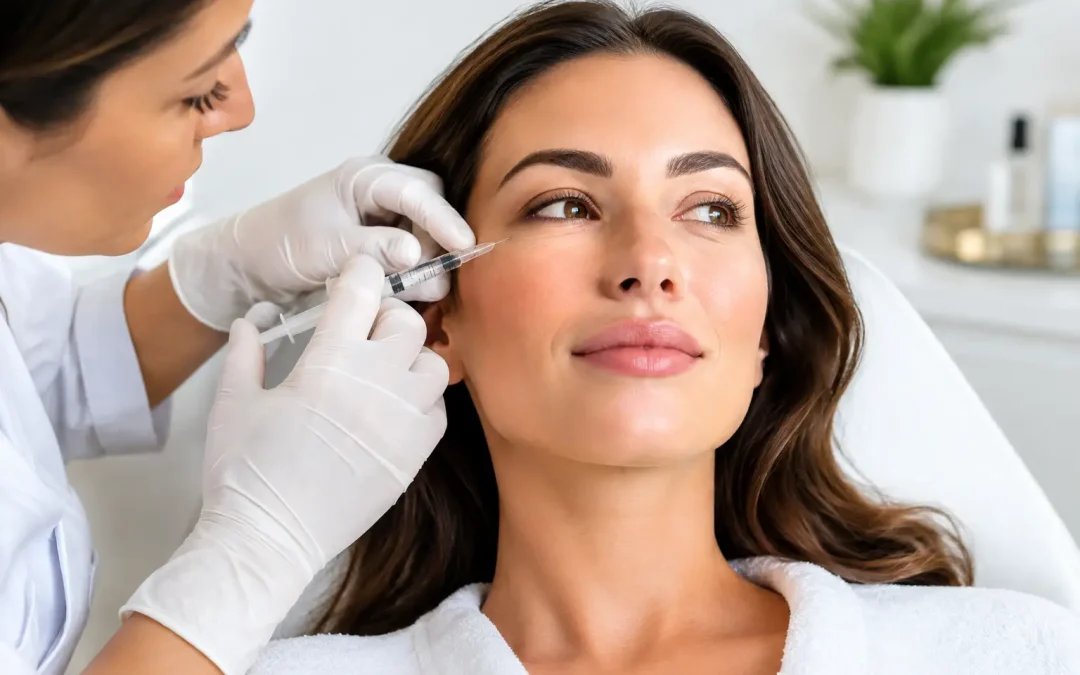
The question “is Botox safe for beginners” usually comes with a more personal concern: Will I still look like myself? For most healthy adults, Botox can be a safe, well-studied option when it is prescribed and injected by a qualified medical professional after a thoughtful consultation. The key is not chasing a certain number of units or copying someone else’s results. It is choosing care that fits your facial movement, goals, health history, and comfort level.
For a first treatment, a natural-looking approach is often the right place to start. Botox is temporary, and a skilled provider can use conservative dosing to soften lines while preserving the expressions that make you look like you.
What Botox Does – and What It Does Not Do
Botox Cosmetic is a neuromodulator made from botulinum toxin type A. In carefully measured doses, it temporarily relaxes targeted facial muscles. When those muscles move less forcefully, expression lines such as frown lines, forehead lines, and crow’s feet can look smoother.
It does not fill deep folds, replace lost facial volume, resurface skin texture, or permanently stop aging. If lines are visible even when your face is at rest, Botox may soften them, but it may not erase them completely. That distinction matters for beginners because realistic expectations are one of the best ways to feel happy with the result.
Botox Cosmetic is FDA-approved for several cosmetic uses, including moderate to severe frown lines between the brows, crow’s feet, forehead lines, and certain neck bands. Providers may also recommend neuromodulators for other concerns when clinically appropriate. During your consultation, ask whether the area you are considering is an FDA-approved cosmetic use and why it is a good fit for your goals.
Is Botox Safe for Beginners When Done Correctly?
Safety depends on more than the product itself. It depends on the assessment before treatment, the injector’s training, the authenticity and handling of the product, proper dosing, and precise placement.
A reputable medical aesthetics practice should ask about your medical history, medications, allergies, past cosmetic treatments, and the look you want to achieve. Your provider should also examine your facial anatomy at rest and in motion. Two people with similar forehead lines may need very different treatment plans because brow position, muscle strength, skin quality, and facial proportions vary widely.
For beginners, starting conservatively is not being cautious for the sake of it. It is good clinical planning. Botox takes time to settle, and adding a small amount later, if appropriate, is usually easier than correcting an overtreated area. Results commonly begin to appear within a few days and generally develop fully around two weeks after treatment.
At A Younger You Med Spa, the goal is to make your first injectable visit feel informed rather than intimidating. A personalized consultation gives you space to ask questions, discuss your desired level of movement, and decide whether treatment is right for you.
Who Should Pause Before Scheduling Botox?
Botox is not the right choice for everyone at every moment. A qualified provider may recommend postponing or avoiding treatment if you are pregnant or breastfeeding, have an active skin infection at the planned injection site, have a known allergy to ingredients in the product, or have certain neuromuscular conditions.
Be open about all prescription medications, over-the-counter products, vitamins, and supplements you use. Some medications or supplements can increase bruising risk, while others may affect how treatment is planned. Do not stop prescribed medication simply to receive Botox. Instead, discuss it with the medical professional who prescribes it and with your injector.
A good consultation also considers timing. If you have an important event in a few days, it may be wiser to wait. Even with careful technique, minor swelling or bruising can happen, and Botox needs time to reach its full effect.
What a First Botox Appointment Usually Feels Like
A first appointment should not feel rushed. You may be asked to make several expressions so your provider can see how your muscles create lines and where your brows naturally sit. Photographs may be taken for your clinical record and to help compare results over time.
The injections themselves are quick. Most people describe the sensation as a series of small pinches. A tiny needle is used, and treatment often takes only minutes once your plan is established. You can usually return to normal daily activities afterward, although your provider will give you specific aftercare instructions based on your treatment.
You may have small raised spots, redness, tenderness, or pinpoint bruising at injection sites. These effects are typically mild and temporary. Avoid rubbing or massaging the treated areas unless your provider specifically tells you otherwise. Follow the aftercare instructions you receive rather than relying on social media advice, which may not apply to your treatment.
Understanding Common Side Effects and Rare Risks
The most common side effects after cosmetic Botox include temporary redness, swelling, tenderness, headache, and bruising. These usually resolve on their own. Occasionally, an unwanted effect such as eyelid or brow drooping can occur if product affects a nearby muscle. This is uncommon with experienced injection technique, but it is a real risk worth discussing before treatment.
Botulinum toxin products also carry a warning about the possibility of effects spreading beyond the injection area. Serious reactions are rare in cosmetic use, but seek prompt medical care if you experience trouble swallowing, speaking, breathing, or generalized muscle weakness after treatment.
Your provider should explain both the benefits and limitations without minimizing risk. Honest guidance is part of safe aesthetic care. If someone promises a completely risk-free treatment, a perfect result, or a dramatic transformation with no evaluation, that is a reason to look elsewhere.
How to Choose a Provider for Your First Treatment
Your first Botox experience is strongly shaped by the person holding the syringe. Look for a licensed, qualified medical provider who has specific training and experience with facial injectables. Ask who will perform the injections, how they assess facial anatomy, what product they use, and what support is available if you have concerns afterward.
You should feel comfortable saying that you want a subtle result. Bring up anything you are worried about, including a “frozen” appearance, uneven brows, pain, bruising, cost, or downtime. A caring provider will not pressure you to treat more areas than you planned or make you feel uninformed for asking basic questions.
Price deserves context, too. Botox is usually priced by unit or treatment area, and the amount needed varies. An unusually low price can be tempting, but safe care includes legitimate product sourcing, appropriate storage, clinical expertise, and time for a proper assessment. The cheapest option is not always the best value when your face and health are involved.
A Beginner’s Best Strategy: Start With Your Goal
Instead of arriving with a request for a set number of units, describe what you see in the mirror. You might say that your frown line makes you look tired, your forehead makeup settles into lines, or you want to soften crow’s feet while keeping a warm smile. Those details help your provider build a plan around your priorities.
For some people, Botox is the complete answer. For others, skin care, chemical peels, laser treatments, microneedling, or dermal filler may better address concerns such as discoloration, texture, laxity, or volume loss. There is no prize for doing more. The right plan is the one that respects your goals, budget, and timeline.
Will I look frozen after my first Botox treatment?
Not necessarily. A frozen look is usually associated with too much relaxation in the wrong areas for a person’s anatomy or preferences. Conservative dosing and clear communication about how much movement you want can support a softer, more natural result.
How long does Botox last for beginners?
Results often last around three to four months, though individual results vary. Muscle strength, metabolism, treatment area, dose, and previous treatment history can all affect duration.
Can I change my mind if I do not like it?
Botox cannot be instantly dissolved the way some hyaluronic acid fillers can. Its effects gradually wear off over time. That is one reason a conservative first treatment and a two-week follow-up plan can be so helpful.
Your first Botox appointment should leave you feeling heard, educated, and comfortable with the plan. When treatment is thoughtfully chosen and professionally performed, subtle refinement can be a confident first step in caring for your skin on your own terms.