
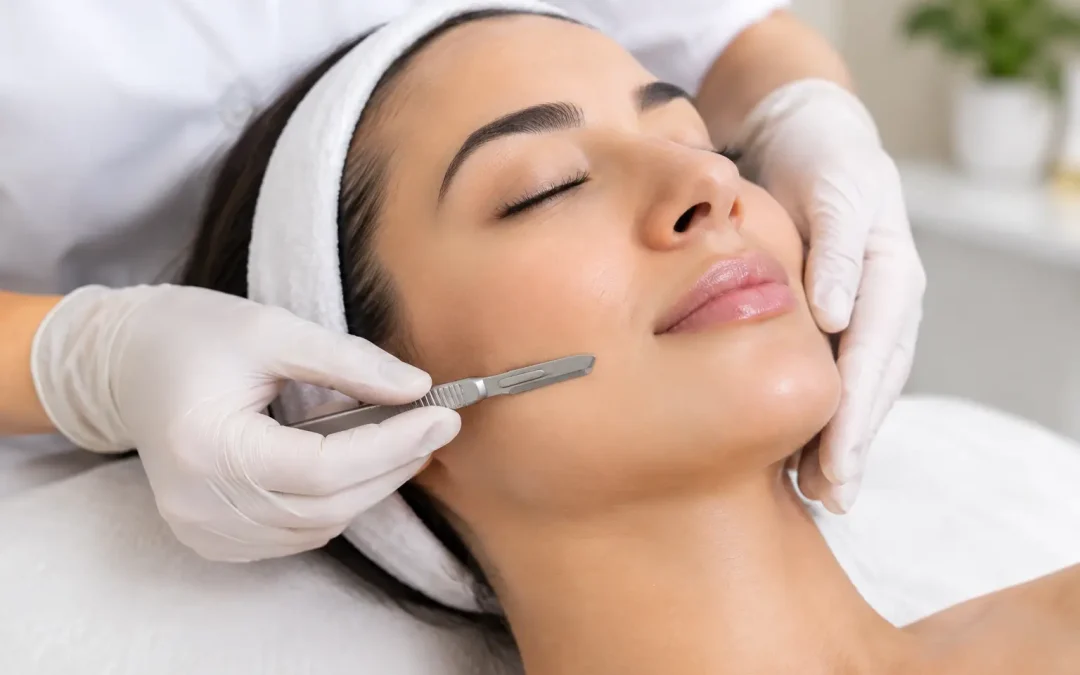
Peach fuzz can catch the light, foundation can settle unevenly, and skin that feels rough may look dull no matter how carefully you cleanse and moisturize. Dermaplaning facial benefits appeal to people who want a polished, refreshed complexion without injections, peeling, or significant downtime. This gentle exfoliation treatment removes the outermost layer of dead skin cells along with fine facial hair, revealing skin that feels noticeably smoother right away.
At A Younger You Med Spa, dermaplaning is never treated as a one-size-fits-all facial add-on. Your skin type, sensitivity, current skincare routine, and goals matter. For some clients, it is an ideal monthly refresh. For others, another treatment may be a safer or more effective choice.
What Happens During a Dermaplaning Facial?
Dermaplaning is a manual exfoliation procedure performed with a sterile, surgical-grade blade held at a precise angle. A trained aesthetic professional uses light, controlled strokes across the face to lift away built-up dead skin cells and vellus hair, commonly called peach fuzz.
The treatment is not the same as shaving at home. Technique, pressure, skin preparation, and sanitation all affect both comfort and results. A professional dermaplaning facial is designed to exfoliate evenly while protecting the skin barrier.
Most appointments are comfortable and take roughly 30 to 45 minutes, depending on whether dermaplaning is paired with a customized facial, mask, or other skin-supporting service. Clients typically describe a light scraping sensation rather than pain. There is no need for numbing cream, and most people return to normal activities immediately after their appointment.
Dermaplaning Facial Benefits for Texture and Glow
The immediate change is often tactile: skin feels exceptionally soft. But the cosmetic value goes beyond that fresh, smooth feeling.
Smoother-looking skin surface
Dead skin cells can accumulate and make the complexion feel rough or look less even. By removing that surface buildup, dermaplaning creates a smoother canvas. Fine, dry patches may be less noticeable, and makeup often glides on with less catching or caking around the nose, cheeks, and mouth.
Dermaplaning does not erase deep wrinkles, acne scars, enlarged pores, or significant pigmentation. Still, smoothing the top layer of skin can make the overall surface look more refined, especially before a special event or professional photos.
A brighter, more refreshed complexion
Dullness is frequently related to the way uneven surface cells reflect light. After exfoliation, skin can appear brighter and more radiant because the newer skin at the surface reflects light more evenly. This is a healthy-looking glow, not an artificial shine.
Results vary from person to person. Someone with mild surface dullness may see a dramatic difference right away, while a client with sun damage, melasma, or deeper hyperpigmentation may need a broader treatment plan that could include professional skincare, chemical peels, IPL, or other provider-guided options.
Better makeup application
Fine facial hair and dry skin can make foundation, concealer, and powder appear uneven. Removing peach fuzz and surface buildup helps makeup sit more smoothly, which is why dermaplaning is popular before weddings, vacations, reunions, and other occasions when clients want their skin to look especially polished.
For best results, schedule the treatment several days before a major event rather than trying it for the first time the night before. That gives your skin time to settle if you experience mild temporary pinkness.
More effective use of skincare products
Dermaplaning can help topical products apply more evenly because they are not sitting on a layer of loose, dead surface cells or fine hair. It does not make every active ingredient automatically stronger, and stronger is not always better. Retinoids, exfoliating acids, and vitamin C products can sting if used too soon after treatment.
Your aesthetic provider can recommend a simple post-treatment routine that supports hydration and skin recovery. In many cases, that means gentle cleanser, moisturizer, and daily broad-spectrum sunscreen while pausing more aggressive active ingredients briefly.
A noninvasive option with little downtime
For adults who want visible refinement without a lengthy recovery period, dermaplaning can be an approachable choice. Unlike some peels or laser treatments, it usually does not involve flaking, crusting, or social downtime. Mild redness can occur, particularly in sensitive skin, but it often fades quickly.
That convenience is a real benefit, but it does not mean dermaplaning is right for every concern. It is a surface-level treatment. When the goal is to address deeper lines, acne scarring, laxity, redness, or stubborn discoloration, a personalized plan may call for treatments such as microneedling, laser and IPL services, or injectables instead.
Will Dermaplaning Make Hair Grow Back Thicker?
No. This is one of the most common concerns, and it is understandable. Dermaplaning cuts vellus hair at the skin’s surface, but it does not change the hair follicle, hormone levels, growth rate, color, or thickness of the hair.
As the hair grows back, its blunt tip may feel different than the naturally tapered tip of untouched hair. That temporary sensation can lead people to believe the hair is thicker, even though its structure has not changed. Dermaplaning is not a treatment for coarse or hormonally driven facial hair. If that is your concern, laser hair removal or a medical evaluation may be more appropriate.
Who Is a Good Candidate for Dermaplaning?
Many adults with dry, normal, or combination skin enjoy dermaplaning as part of a regular skincare routine. It can be particularly helpful for those concerned with dullness, uneven texture, fine facial hair, or makeup that does not apply as smoothly as they would like.
However, timing matters. Dermaplaning may not be recommended when there is active acne, open lesions, a sunburn, an eczema or rosacea flare, an active cold sore, or significant irritation. The blade can spread bacteria across active breakouts or further irritate already inflamed skin.
You should also tell your provider about prescription acne medications, topical retinoids, recent chemical peels, recent facial waxing, allergies, and any history of skin sensitivity. Clients using isotretinoin or dealing with certain medical skin conditions may need to postpone treatment or choose a different option. Honest consultation protects your skin and helps set realistic expectations.
How to Prepare and Care for Your Skin
A little preparation can make your dermaplaning experience more comfortable. Avoid facial waxing, scrubs, exfoliating acids, and retinoids for several days before your appointment unless your provider gives different instructions. Arrive with clean skin when possible, and mention any new irritation or breakout before treatment begins.
Afterward, treat your skin gently. Use a mild cleanser, a nourishing moisturizer, and broad-spectrum SPF 30 or higher every day. Freshly exfoliated skin may be more susceptible to sun sensitivity, so sunscreen is essential even if you are mostly indoors or simply driving around DeLand.
For the first day or two, avoid hot yoga, saunas, steam rooms, heavy sweating, tanning, and strong exfoliating products. Do not pick at your skin or try to extend the result with an at-home razor. Professional treatment is carefully controlled for a reason.
How Often Should You Schedule Dermaplaning?
Most clients schedule dermaplaning about every four to six weeks, which generally aligns with the skin’s natural renewal cycle. The ideal frequency depends on your skin’s tolerance, your goals, and the other treatments in your regimen.
If you are preparing for an event, a single treatment may be all you need for a short-term glow. If you are building a long-term skin health plan, dermaplaning may alternate with facials, chemical peels, or other services. More frequent exfoliation is not necessarily better. Overdoing it can compromise the skin barrier and cause sensitivity, dryness, or breakouts.
Beautiful skin rarely comes from chasing one treatment. It comes from choosing the right level of care for your skin, protecting it consistently, and working with a provider who listens. A personalized dermaplaning consultation can help you decide whether this smooth, confidence-boosting treatment belongs in your routine.