
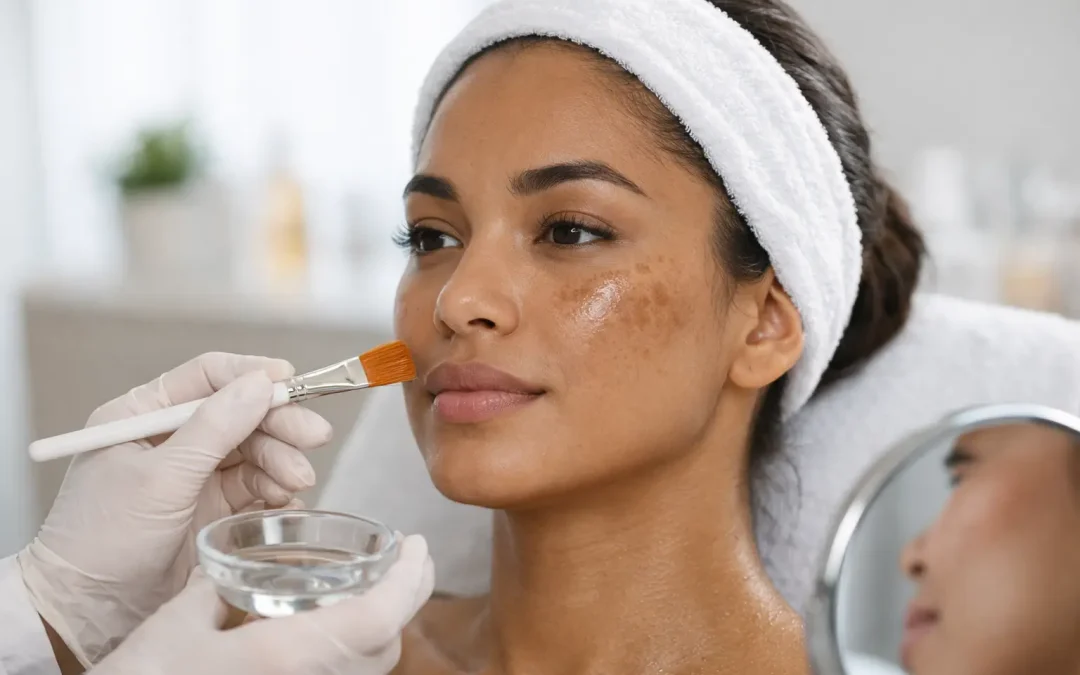
A dark spot can outlast the blemish, irritation, or sunny afternoon that caused it by months. For many people, that lingering uneven tone is more frustrating than the original concern. A chemical peel for hyperpigmentation can help encourage clearer, more even-looking skin by removing damaged surface cells and supporting healthy cell renewal. The right peel, however, is never simply the strongest one available. It should reflect your skin tone, sensitivity, history of discoloration, lifestyle, and goals.
How Chemical Peels Help Fade Hyperpigmentation
Hyperpigmentation is the broad term for areas of skin that appear darker than the surrounding complexion. It may show up as post-acne marks, sun spots, melasma, freckles, or discoloration after inflammation or injury. In Florida, regular sun exposure can make existing pigment more noticeable and cause new discoloration to develop.
A chemical peel applies a carefully selected solution to the skin. Depending on its ingredients and strength, the solution loosens dead skin cells at the surface or works more deeply to stimulate renewal. As dull, pigmented surface cells shed over time, fresher skin can emerge with a brighter and more even appearance.
This does not mean every dark mark will disappear after one appointment. Pigment often sits at different depths in the skin, and melasma in particular can be persistent. Chemical peels are most effective when they are part of a consistent plan that includes daily sun protection and appropriate home care.
Is a Chemical Peel for Hyperpigmentation a Good Fit?
Many adults with sun-related spots, post-acne discoloration, or overall uneven tone are good candidates for a professionally selected peel. A consultation is the first step because the cause of the pigment matters. A spot left behind after acne may respond differently than melasma, while a changing, raised, itchy, or irregularly colored spot should be evaluated medically before any cosmetic treatment.
Your provider should also consider your natural skin tone and how your skin responds to irritation. Deeper skin tones can be safely treated, but they require especially thoughtful treatment selection. If the skin becomes overly inflamed, it can create post-inflammatory hyperpigmentation, meaning the peel intended to improve discoloration could trigger more of it.
This is why an individualized approach is so valuable. A gentle series of peels may be a better choice than one aggressive treatment for someone with sensitive skin, rosacea tendencies, active acne inflammation, or a history of pigment changes after procedures. If you are pregnant, breastfeeding, using prescription retinoids, or prone to cold sores, discuss that during your consultation so your treatment plan can be adjusted safely.
Choosing the Right Type and Depth of Peel
Chemical peels are often described by their depth: superficial, medium, or deep. For hyperpigmentation, the best option depends on where the pigment is located, your skin’s current condition, and the amount of downtime you can comfortably manage.
Superficial Peels
Superficial peels work primarily on the outermost layer of the skin. They may use ingredients such as alpha hydroxy acids, beta hydroxy acids, or other brightening and exfoliating formulations. These treatments are often a good starting point for mild discoloration, dullness, rough texture, and post-acne marks.
You may experience temporary tightness, flaking, or light peeling for several days. Because they are gentler, superficial peels are often performed as a series. The gradual approach can be ideal for clients who want visible improvement with minimal interruption to work, family life, or social plans.
Medium-Depth Peels
Medium-depth peels reach further into the epidermis and may address more established sun damage, uneven tone, and textural concerns. They can produce more noticeable peeling and require additional recovery time. Not every client needs or benefits from a medium-depth treatment, especially if their skin is reactive or highly prone to post-inflammatory pigment.
A skilled provider will not recommend greater intensity just to promise a faster result. The goal is controlled skin renewal, not unnecessary irritation. In some cases, a series of lighter peels paired with professional skincare offers a more predictable path toward clearer-looking skin.
When Another Treatment May Be Better
A peel is not the only treatment for discoloration. Certain pigment concerns may respond well to customized skincare, microneedling, IPL, or laser treatments, while others need a combined approach. Melasma, for example, can worsen with heat, hormones, and ultraviolet exposure, so it often requires careful maintenance rather than a one-time correction.
At A Younger You Med Spa, treatment recommendations can be guided by a close look at your pigmentation pattern, skin type, and comfort with downtime. Honest guidance matters: sometimes the right answer is a peel, sometimes it is another treatment, and sometimes it is a combination performed in the right sequence.
How to Prepare for Your Peel
Preparation helps protect your skin barrier and supports better healing. Before your appointment, your provider may ask you to pause exfoliating acids, retinoids, scrubs, waxing, or other potentially irritating products for a designated period. Avoid trying a new active product just before treatment, even if it is marketed for brightening.
Sun protection is equally important before a peel. A recent sunburn or tan can increase sensitivity and raise the risk of uneven results. Use a broad-spectrum sunscreen every day, and wear a hat when you will be outdoors for extended periods. This is a small daily habit with a major impact on pigment control.
Be open about your full skincare routine, medications, allergies, past procedures, and history of cold sores. Details that may seem minor can help your provider choose the safest formula and give you precise instructions.
What to Expect After a Chemical Peel
Immediately after treatment, skin may feel warm, tight, dry, or slightly pink. Peeling can begin within a few days, depending on the peel. Some clients shed in fine flakes, while others experience more visible sheets of peeling. Both can be normal when they match the type of peel performed.
The most important rule is to let skin shed naturally. Do not pick, scrub, use cleansing brushes, or try to speed up the process with exfoliating products. Pulling at peeling skin can cause irritation, delayed healing, and additional discoloration.
Keep your routine simple during recovery. Use the gentle cleanser, moisturizer, and post-treatment products recommended by your provider, and apply broad-spectrum sunscreen diligently. Avoid direct sun exposure, heat-heavy workouts, saunas, and other activities your provider advises against during the initial healing period.
You may notice brightness once peeling settles, but pigment improvement typically continues over several weeks. Photos taken in consistent lighting can be more helpful than checking the mirror every day, since gradual changes are easy to overlook.
Results That Look Natural and Last Longer
The best result is not skin that looks treated. It is skin that looks clearer, smoother, and more even while still looking like you. For some people, one peel refreshes the complexion before an event. For more persistent hyperpigmentation, a treatment series and ongoing maintenance are usually more realistic.
Daily sunscreen is non-negotiable for preserving progress. Sun exposure can reactivate pigment quickly, even after an excellent peel result. Consistent home care, follow-up treatments when appropriate, and early treatment of acne or irritation can also help prevent new dark marks from taking hold.
If uneven tone has made you rely on heavier makeup or avoid being photographed in bright light, a professional consultation can provide a calmer, more confident next step. The right plan respects your skin, your schedule, and your goals, then gives your complexion the time and care it needs to improve.