
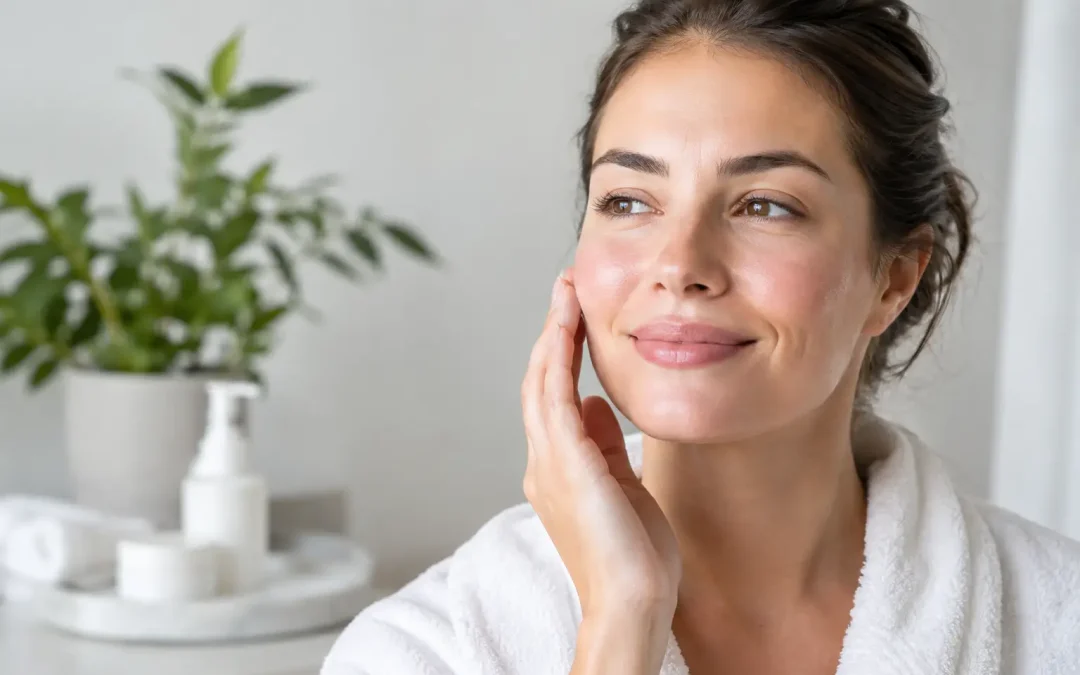
A chemical peel can be a meaningful reset for dullness, uneven tone, acne concerns, fine lines, and sun-related discoloration. But the treatment is only one part of the process. A thoughtful guide to chemical peel recovery helps you protect your investment, support healthy healing, and feel more confident about what you see in the mirror each day.
The most reassuring thing to know is that peeling does not always look dramatic. Some clients experience light flaking that is easy to conceal, while others shed more visibly for several days. Your recovery depends on the type and depth of your peel, your skin type, your current skincare routine, and how carefully you follow aftercare instructions.
What Chemical Peel Recovery Actually Looks Like
Chemical peels use carefully selected acids or other exfoliating ingredients to encourage the outer layers of skin to shed and reveal fresher-looking skin beneath. This controlled process can improve the appearance of texture, pigmentation, breakouts, and early signs of aging. It also temporarily makes your skin more sensitive.
A superficial peel may cause mild pinkness, tightness, and fine flaking for two to five days. A medium-depth peel can involve more pronounced redness, swelling, darkening of treated areas, and visible peeling over roughly one to two weeks. Deeper peels require much more medical oversight and longer downtime.
There is no prize for peeling more dramatically. The right treatment is the one selected for your goals, skin tone, history of sensitivity, and available downtime. This is especially important for clients prone to post-inflammatory hyperpigmentation, melasma, rosacea, or cold sores.
Your Guide to Chemical Peel Recovery by Stage
The first 24 hours: Keep it calm
Right after treatment, skin may feel warm, tight, dry, or mildly sunburned. Some redness is common, particularly after a stronger peel. Use only the products your provider has recommended, typically a gentle cleanser, a simple moisturizer, and broad-spectrum sunscreen during daytime hours.
Avoid makeup if your provider advises waiting, and skip workouts, saunas, hot showers, steam rooms, and hot yoga for the first day or two. Heat and sweat can increase irritation when your skin barrier is already vulnerable. Keep showers lukewarm, and pat your face dry rather than rubbing it.
Days 2 through 4: Tightness and flaking begin
This is often the stage when clients wonder whether the treatment is working. Your skin may look slightly darker or feel papery before it begins to flake around the mouth, nose, and cheeks. With some peels, flaking may be so subtle that only you notice it.
Moisturize as directed, even if your skin feels different from its usual texture. A bland, fragrance-free moisturizer can reduce the uncomfortable feeling of tightness and help loosen shedding skin naturally. Continue sunscreen every morning, and reapply if you are outdoors.
Do not scrub, exfoliate, use cleansing brushes, or apply retinol, prescription retinoids, vitamin C, benzoyl peroxide, glycolic acid, salicylic acid, or other active products unless your provider has specifically cleared them. A product that normally works well for you can sting and inflame freshly treated skin.
Days 3 through 7: Let peeling happen naturally
Visible peeling often reaches its peak during this window. Resist the urge to pull at loose flakes, even if they catch on makeup or feel tempting to remove. Picking can cause unnecessary irritation, prolong redness, and increase the chance of discoloration or scarring.
Instead, cleanse gently with cool to lukewarm water, moisturize, and let skin release on its own schedule. If you need to attend work or an event, ask your provider when it is appropriate to wear a light mineral makeup. Some people prefer to schedule a peel when they have a few lower-key days at home, while others do well with superficial treatments that create little visible downtime.
Your skin can also feel itchy as it heals. Mild itchiness may be normal, but burning, increasing pain, significant swelling, blisters, or oozing are not symptoms to manage on your own. Contact your treatment provider promptly if they occur.
After the peeling stops: Rebuild your routine slowly
Once the skin has settled, it may look smoother and feel more radiant, but it is still adjusting. Continue gentle cleansing, moisturizer, and daily broad-spectrum SPF 30 or higher. Sun protection is essential after any peel because newly refreshed skin is more susceptible to sun damage and uneven pigment changes.
Your provider can tell you when to restart active skincare products. This timing varies. Someone who had a light peel may return to a targeted acne or anti-aging routine fairly quickly, while a stronger peel may call for more recovery time. Reintroducing one product at a time is often more comfortable than returning to every active product at once.
The Recovery Rules That Make the Biggest Difference
The simplest aftercare habits tend to have the greatest impact. Protecting the skin from UV exposure, avoiding friction, and using only approved products gives your skin the best conditions for recovery.
For the first several days, avoid facial waxing, shaving treated areas if it causes irritation, hair removal creams, facial scrubs, dermaplaning, and at-home peel pads. Hold off on facials, microneedling, laser treatments, and other exfoliating services until your provider says your skin is ready. Layering treatments too close together can compromise the barrier and create avoidable inflammation.
It also helps to plan ahead. Change pillowcases, keep your hands away from your face, and make sure you have gentle products at home before your appointment. If you take prescription medications, have a history of cold sores, are pregnant or breastfeeding, or have recently used isotretinoin, share that information during your consultation. It can affect whether a peel is appropriate and how your treatment plan should be tailored.
When to Call Your Provider
A little redness, dryness, tightness, and flaking are expected after many peels. However, your provider should hear from you if you have severe or worsening pain, intense swelling, blistering, drainage, crusting, fever, or a rash that spreads beyond the treated area. Reach out as well if you are worried that a reaction is not following the aftercare plan you were given.
Honest communication matters. There is no need to wait and see if something feels clearly wrong. A qualified provider can help determine whether you need an adjustment to your routine, an in-office assessment, or medical care.
A More Personalized Path to Better Skin
Chemical peels are not one-size-fits-all treatments. The best option for a busy professional wanting a brighter complexion before an event may be different from the right plan for someone managing stubborn acne marks or sun damage. Skin tone, sensitivity, existing products, and desired results all deserve consideration before treatment begins.
At A Younger You Med Spa, provider-guided care means discussing your skin concerns, your lifestyle, and the downtime you can realistically accommodate. That conversation helps ensure your peel and recovery plan feel manageable, not overwhelming.
Give your skin the patience it asks for. A few days of gentle care, consistent sunscreen, and hands-off healing can make the refreshed results ahead feel well worth the wait.