
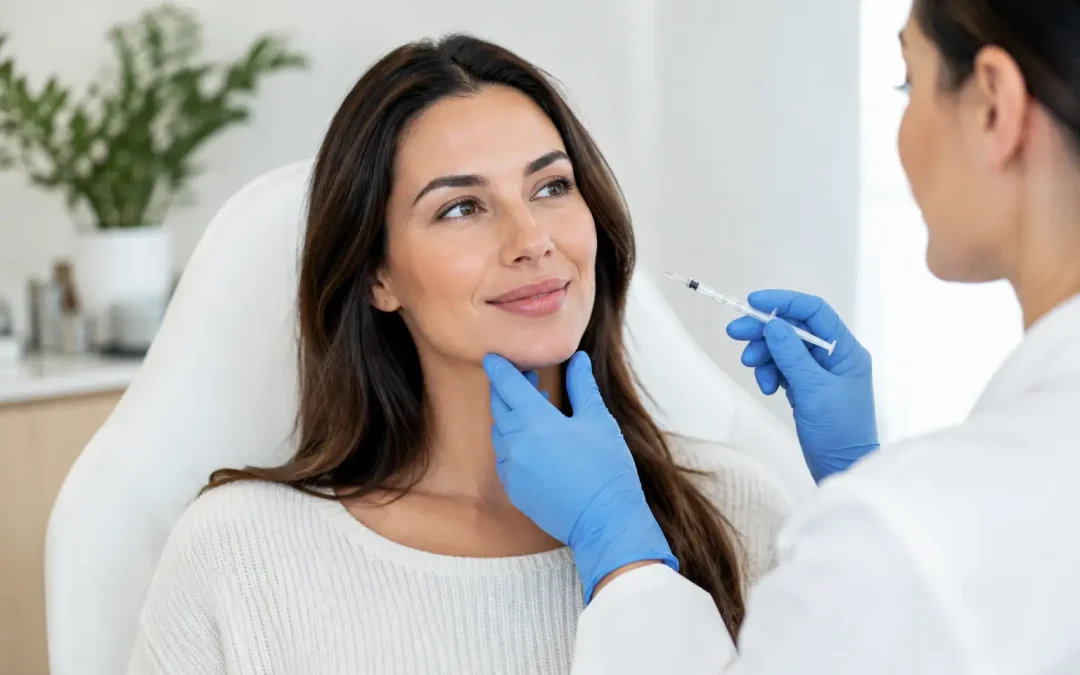
You have an event on the calendar, a busy workweek ahead, or simply a desire to look more refreshed without looking different. Knowing how to prepare for Botox helps make your appointment feel calmer and supports the polished, natural-looking result you want. A little planning can also reduce the chance of temporary bruising or swelling, so you can focus on feeling confident in your care.
Botox is a neuromodulator treatment that relaxes targeted facial muscles. When performed thoughtfully, it can soften the appearance of expression lines in areas such as the forehead, between the brows, and around the eyes while preserving your ability to look like yourself. Your preparation should be personalized to your health history, treatment area, goals, and timeline.
Start With a Thoughtful Consultation
The best Botox preparation begins before treatment day. Your provider should take time to understand what you see in the mirror, how much movement you want to retain, and whether you are hoping for subtle softening or a more noticeable smoothing effect. Bring up prior injectable treatments, including what you liked and what you would change.
If you are new to neuromodulators, photos of your face at rest and in motion can be useful for setting realistic goals. The goal is not to erase every line at all costs. Expression lines are part of a natural face, and the most flattering treatment plan balances smoothness with movement.
At A Younger You Med Spa, treatment recommendations are guided by your facial anatomy, skin quality, and individual goals. One person may benefit from treating the frown lines and forehead together, while another may prefer to begin with one area and reassess after the result settles.
Share Your Complete Health History
Be open about medications, supplements, allergies, prior facial procedures, and any history of eyelid drooping or facial weakness. Tell your provider if you have a neurological condition, are pregnant or breastfeeding, have an active skin infection near the planned injection site, or are feeling unwell. These details help your provider determine whether Botox is appropriate now or whether postponing is the safer choice.
Do not stop prescribed medication without direction from the clinician who manages it. This is especially important if you take blood thinners or medication for a chronic condition. Your Botox provider can explain whether your medication list may affect bruising risk and coordinate recommendations when needed.
How to Prepare for Botox During the Week Before
For many clients, the main goal in the days leading up to Botox is minimizing avoidable bruising. If your medical provider says it is safe for you, you may be asked to avoid nonessential products and medications that can increase bruising, such as aspirin, ibuprofen, naproxen, fish oil, vitamin E, ginkgo, garlic supplements, and St. John’s wort. The exact guidance depends on your medical history, so follow the instructions given specifically to you.
Avoid alcohol for about 24 to 48 hours before your appointment if possible. Alcohol can make bruising and swelling more likely for some people. Staying well hydrated, eating normally, and getting adequate sleep are simple ways to arrive feeling your best.
If you are planning Botox before a wedding, vacation, photo session, or holiday, schedule it early. Results typically begin to appear within several days, with the full effect often visible at about two weeks. Giving yourself that window allows time for the treatment to settle and for a follow-up assessment if your provider recommends one.
It is also wise to separate Botox from other facial treatments when your provider advises it. Depending on your plan, treatments such as chemical peels, microneedling, laser services, facials, or dermal fillers may need to be timed around your injections. A personalized aesthetic plan can help you enjoy the benefits of multiple treatments without overloading your skin or your calendar.
The Day Before and the Day of Your Appointment
Come in with a clean, comfortable face whenever possible. You do not need to skip makeup completely, but arriving without heavy foundation or difficult-to-remove eye makeup can make the process easier. Your provider will cleanse the treatment area before injections.
Eat a light meal and drink water before your visit. Botox appointments are generally quick, but no one feels their best when they are hungry, dehydrated, or rushing in from a stressful day. Wear whatever makes you comfortable. There is no special outfit required.
Plan to be honest about any last-minute changes. A breakout, rash, sinus illness, recent cosmetic procedure, or new medication may affect the best timing for your treatment. Rescheduling is not a setback when it protects your comfort and results.
If you are nervous about needles, say so at the beginning of the appointment. Botox injections use a very fine needle and are often described as brief pinches, but anxiety is real. Your provider can talk you through each step, offer a pause when needed, and help make the experience feel manageable.
What to Expect During Botox Treatment
After reviewing your goals and medical information, your provider may ask you to raise your brows, frown, smile, or squint. These movements show how your muscles work and help guide precise placement. The injections themselves usually take only a few minutes.
Small raised areas, redness, or pinpoint marks can appear immediately afterward. These are usually temporary and often fade within a short time. Most clients return to normal daily activities right away, although it is smart to avoid scheduling a first-time Botox appointment immediately before an important social event.
Natural-looking results come from careful dosing and placement, not from using the same number of units for every face. Be cautious of one-price-fits-all promises. Your provider should explain the plan clearly, including what is being treated, why it is being treated, and what result is realistically expected.
Protect Your Results After Your Appointment
Your provider will give you specific aftercare instructions, and those should always come first. In general, avoid rubbing, pressing, or massaging the injection sites for the rest of the day unless you are told otherwise. Skip strenuous exercise, hot yoga, saunas, steam rooms, and excessive heat for about 24 hours if recommended, since these may worsen redness or swelling.
Remain upright for several hours after treatment. Avoid facials, facial massage, and devices that place pressure on the treated areas until your provider says it is appropriate. If you notice a small bruise, a cool compress may help. Do not apply heavy pressure.
Give Botox time to work. It is normal to check the mirror often during the first few days, but the final result is not immediate. Contact your provider if you have questions about your response, notice anything that concerns you, or need guidance about an upcoming facial treatment. Serious reactions are uncommon, but urgent medical care is needed for symptoms such as trouble breathing, swallowing, or speaking.
A Few Questions Clients Often Ask
Can I work after Botox?
Usually, yes. Most people return to work, errands, and normal nonstrenuous activities the same day. Mild redness or tiny bumps at injection sites may be noticeable for a short period, so allow a little extra time if you prefer privacy.
Should I wait until lines are deep to get Botox?
Not necessarily. Botox can be used when lines appear only with expression or when they have begun to linger at rest. The right timing depends on your goals, facial movement, and preference for preventive versus corrective care.
How long will my results last?
Many clients enjoy results for roughly three to four months, although metabolism, dosage, treatment area, and muscle strength can affect longevity. Consistent, appropriately timed maintenance can help you create a predictable routine.
Preparing well is less about following a complicated checklist and more about choosing qualified care, sharing honest health information, and allowing enough time for your results to develop. When you feel informed and listened to, Botox can be a simple, confidence-building part of your self-care routine.