
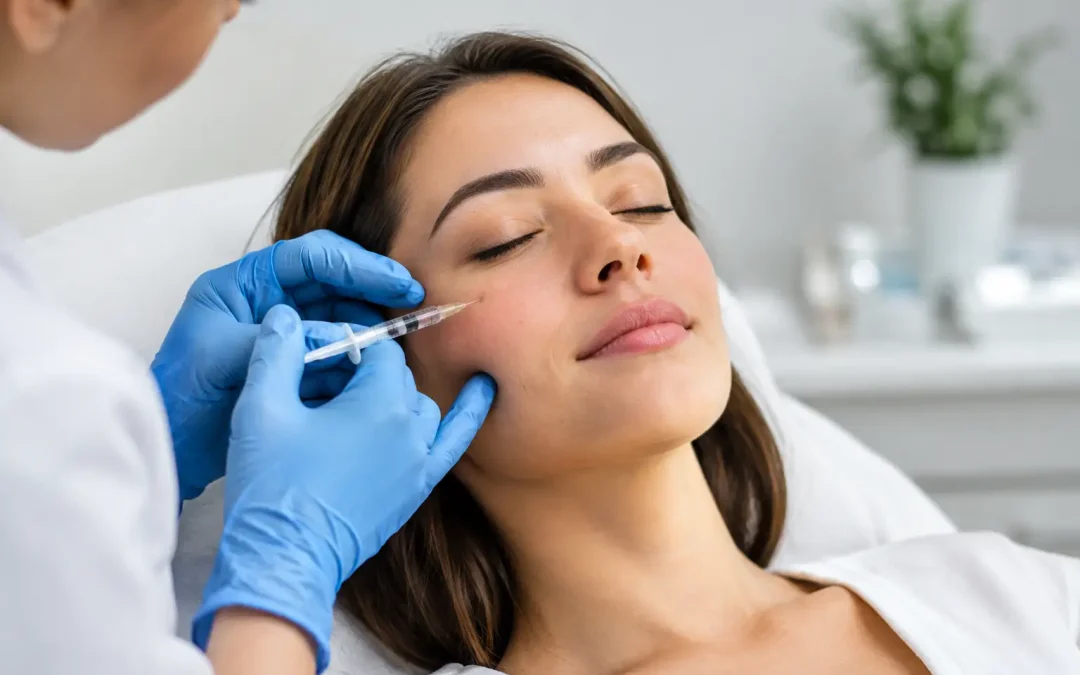
A small bruise can feel much more noticeable than the treatment itself, especially when you have plans, photos, or work on the calendar. Learning how to reduce injection bruising starts with understanding that bruising is common, temporary, and not a sign that your injectable treatment did not work. With thoughtful preparation, skilled technique, and the right aftercare, most people can make bruising less likely and help it fade more comfortably.
At A Younger You Med Spa, we believe feeling informed is part of feeling confident. Whether you are considering Botox, dermal filler, PRP, vitamin injections, or another injectable service, your provider should review your health history and help you plan around your goals and schedule.
Why injection bruising happens
Bruising happens when a needle or cannula touches a tiny blood vessel beneath the skin. A small amount of blood can then collect in the surrounding tissue, creating a red, purple, blue, or yellow-green mark as it heals. The face has a rich network of vessels, so even an expertly performed treatment can occasionally leave a bruise.
Your personal tendency to bruise matters, too. Skin that has become thinner with age, naturally fragile capillaries, a history of easy bruising, and certain medications or supplements can all raise the likelihood. Areas such as the lips, tear troughs, cheeks, and under-eye region may be more prone to visible bruising than others.
The encouraging part is that most injection bruises are mild and resolve on their own, often within several days to two weeks. The goal is not to promise a bruise-free experience, because no ethical provider can guarantee that. The goal is to lower avoidable risk and make sure your treatment plan respects your timeline.
How to reduce injection bruising before treatment
The best time to address bruising is before your appointment. Tell your provider about every prescription medication, over-the-counter pain reliever, vitamin, herbal supplement, and wellness product you use. Blood-thinning medications and supplements can make bruising more likely, but they may be medically necessary. Never stop or change a prescribed medication without approval from the clinician who manages it.
Your provider may advise you to avoid nonessential products that can affect bleeding or bruising for a period before treatment. Common examples include aspirin, ibuprofen, fish oil, vitamin E, ginkgo, garlic supplements, turmeric or curcumin supplements, and alcohol. The right recommendation depends on your medical history and the type of injection, so personalized guidance matters more than a generic online checklist.
Try to arrive well hydrated and having eaten a normal meal, unless your provider has given different instructions. Being dehydrated, anxious, or lightheaded can make the appointment less comfortable. If you are prone to fainting around needles, say so before treatment. A caring provider can position you appropriately, move at a comfortable pace, and help you feel at ease.
Timing also matters. If you have a wedding, reunion, vacation, or important professional event, give yourself breathing room. For treatments with a higher chance of visible bruising, scheduling at least two weeks ahead is a practical choice. This allows time for any bruise or swelling to settle and for your results to look their best.
What your injector can do to lower risk
Choosing a qualified medical provider is one of the most meaningful decisions you can make. Knowledge of facial anatomy, careful product placement, appropriate injection depth, and a gentle technique all help reduce trauma to the tissue.
Depending on the service and treatment area, your provider may use a very fine needle, a blunt-tip cannula, slow injection techniques, or targeted pressure afterward. A cannula is not automatically better for every area, and a needle is not automatically more likely to bruise. Each tool has a purpose. Your provider should select the approach that supports both safety and your desired result.
Cold therapy may be used around the treatment area to support comfort and limit swelling. It is also reasonable to ask about your provider’s experience with the specific injectable you are considering. An honest conversation about risks, expected downtime, and realistic outcomes is a sign of thoughtful care, not a reason to worry.
Aftercare that supports smoother healing
After your injections, follow the instructions you were given for that specific treatment. Botox, filler, PRP, and vitamin injections do not all have identical aftercare. In general, a cool compress can be helpful during the first day. Use it gently, with a clean cloth between the cold pack and your skin, and avoid prolonged direct ice exposure.
For the first 24 to 48 hours, many clients benefit from avoiding activities that increase blood flow and heat. This may include strenuous workouts, hot yoga, saunas, steam rooms, hot tubs, and heavy alcohol use. If you received facial filler, avoid pressing, rubbing, or massaging the area unless your injector specifically instructs you to do so. Massage can affect how some products settle.
Sleep with your head slightly elevated if you are prone to swelling, and keep your skincare routine gentle around injection sites. Avoid aggressive facials, exfoliating treatments, or facial massage until your provider says it is appropriate. If you need pain relief, ask which option is suitable for you rather than automatically reaching for an anti-inflammatory medication.
Arnica is sometimes used for bruising, but results vary and it is not right for everyone. Oral and topical products can interact with medications or cause irritation. Check with your provider before adding arnica or any supplement to your routine, particularly if you take blood thinners or have a medical condition.
Can makeup cover an injection bruise?
Usually, yes, once the skin is closed and your provider has cleared you to apply makeup. A color-correcting concealer can make a noticeable difference: peach or orange tones can help offset blue or purple discoloration, while a green corrector may soften surrounding redness. Use clean brushes or applicators, and apply makeup with a light tapping motion rather than rubbing the area.
For many clients, it is best to wait until the following day after facial injections. If there is a pinpoint opening, active bleeding, or significant tenderness, give the skin more time. Comfort and cleanliness come before coverage.
When bruising needs a call to your provider
A typical bruise gradually improves, even if its color changes as it heals. Contact your provider promptly if you develop increasing or severe pain, marked swelling, spreading redness or warmth, drainage, fever, skin that appears pale or dusky, blistering, or a change in vision. These symptoms are not typical of a simple bruise and deserve professional assessment.
You should also reach out if a bruise is becoming substantially larger rather than stabilizing, or if you have concerns about the way an area looks or feels. It is always appropriate to ask questions after an injectable appointment. You should never feel that you have to wait in uncertainty.
Plan treatments around your real life
The most polished injectable results are not only about the product used. They come from a plan that considers your facial anatomy, skin quality, medical history, comfort level, and upcoming events. Some clients can schedule a quick treatment during a normal week with little visible downtime. Others prefer to book farther ahead because they know they bruise easily or are treating a more delicate area.
A personalized consultation gives you room to discuss those details without pressure. When your provider understands your goals and your calendar, you can move forward with realistic expectations, appropriate aftercare, and the reassurance that a temporary bruise does not take away from the confidence you are building.