
Those small brown spots that appeared after years of Florida sunshine can make your complexion look less even than you feel. IPL treatment for sun spots can help fade many forms of visible sun-related pigmentation with little downtime, but the best results begin with identifying exactly what type of discoloration you have.
Sun spots are common, especially on the face, chest, shoulders, forearms, and hands. They are also frustrating because makeup may cover them temporarily, while continued sun exposure can make them look darker over time. Intense pulsed light, commonly called IPL, is a non-surgical option designed to target excess pigment and support a clearer, more even-looking skin tone.
How IPL treatment for sun spots works
IPL is often grouped with laser treatments, but it is not the same as a single-wavelength laser. It uses carefully filtered pulses of broad-spectrum light. When the light reaches brown pigment in the skin, that pigment absorbs the energy more readily than the surrounding skin.
The heat helps break apart excess pigment so the body can gradually clear it. In the days after treatment, targeted spots commonly darken first. This is expected. The spots may look like tiny coffee grounds or freckles before they flake away or fade, revealing a more even appearance underneath.
IPL can also encourage collagen production, which is a welcome added benefit for clients concerned about early fine lines or overall photoaging. Still, it is not a substitute for every skin concern. Its primary role in this setting is improving visible pigment and uneven tone.
What kinds of brown spots can IPL improve?
IPL is often a strong option for solar lentigines, commonly called sun spots or age spots, as well as freckles and diffuse discoloration caused by cumulative sun exposure. Many clients notice that their complexion looks brighter once the scattered brown pigment has faded.
A consultation matters because not every dark mark should be treated with IPL. Melasma, for example, is a hormonally influenced pigmentation condition that can be triggered by heat and light. It may require a more cautious plan involving medical-grade skincare, sun protection, and other treatments. Post-inflammatory hyperpigmentation from acne, injury, or irritation can also need a different approach.
Any spot that is new, rapidly changing, irregularly shaped, bleeding, or concerning should be evaluated by an appropriate medical professional before cosmetic treatment. IPL is designed for benign cosmetic pigmentation, not for diagnosing or treating suspicious lesions.
Is IPL right for every skin tone?
The answer depends on the contrast between the pigment being treated and your natural skin tone, along with your history of pigmentation and current sun exposure. IPL is often most predictable for lighter skin tones with clearly visible brown sun spots. It can be appropriate for a broader range of clients when settings and treatment planning are chosen carefully, but darker skin tones can carry a higher risk of unwanted pigment changes if treatment is not properly customized.
That is why a one-size-fits-all setting is never the right standard. A provider-guided consultation should include a close look at your skin type, tanning history, medications, skincare routine, and pigment concerns. If IPL is not your best option, an honest recommendation may include a chemical peel, microneedling, professional skincare, or another tailored combination.
What happens during an IPL appointment?
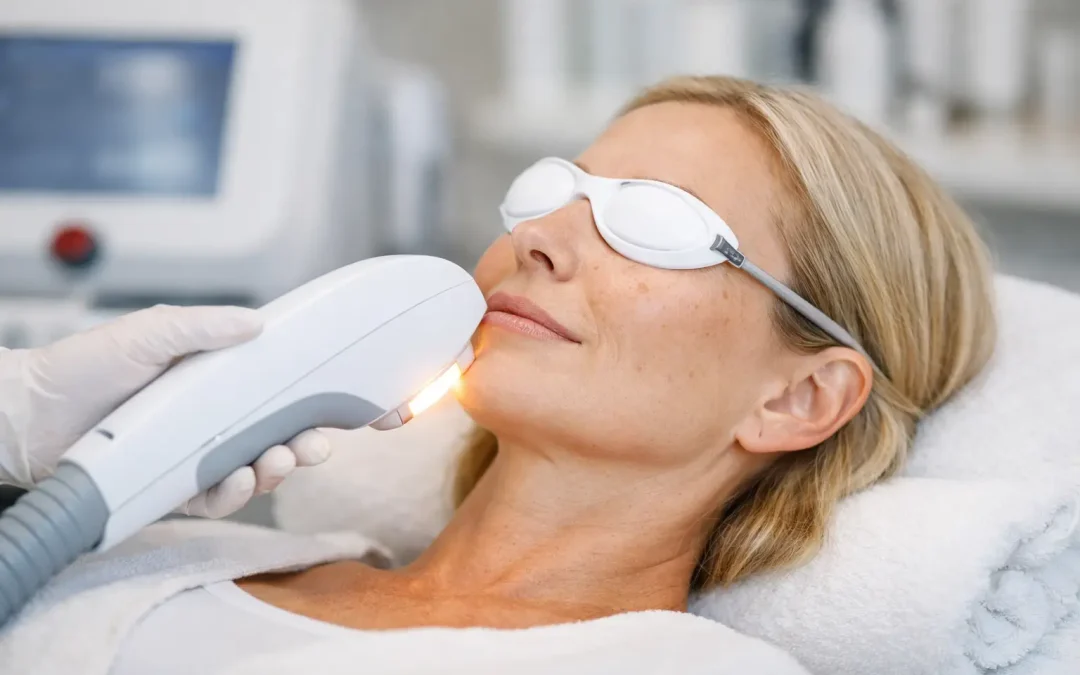
Your appointment begins with cleansing the treatment area and protecting your eyes with specialized shields. A cooling gel may be used depending on the device and treatment area. The IPL handpiece delivers quick pulses of light across the skin.
Most clients describe the sensation as a fast snap against the skin, similar to a small rubber band. Treatment times vary with the size of the area, but the face is often treated relatively quickly. Comfort measures and conservative settings can be discussed if you are nervous or new to light-based treatments.
Immediately afterward, your skin may look mildly pink or feel warm, much like a light sunburn. Brown spots can become temporarily darker within the first 24 to 48 hours. This darkening is a normal part of the process, not a sign that the spots are getting worse.
How many IPL sessions will you need?
Some individual sun spots respond noticeably after one session, especially when they are superficial and well-defined. For more widespread sun damage, most clients benefit from a series of treatments spaced several weeks apart. The exact number depends on the amount and depth of pigment, your skin response, and the degree of improvement you want.
A personalized plan may also include professional skincare to support pigment control between appointments. Results build gradually. Rather than expecting every spot to vanish overnight, think of IPL as a way to steadily improve clarity and maintain it with smart sun habits.
IPL aftercare that protects your results
Aftercare is simple, but it makes a real difference. Your skin will be more sensitive to heat and sunlight while it recovers. Use a broad-spectrum sunscreen with SPF 30 or higher every day, and reapply when you are outdoors. A wide-brimmed hat is especially helpful for Florida days spent driving, gardening, attending outdoor events, or visiting the beach.
For several days, avoid direct heat exposure such as hot tubs, saunas, and intense workouts if your provider recommends it. Keep the skin gently cleansed and moisturized. Do not pick, scrub, exfoliate, or use harsh active products on darkened spots while they are lifting away. Let the process happen naturally.
You will also need to avoid tanning before and after treatment. A recent tan increases the chance of irritation or unwanted pigment changes and may mean rescheduling your appointment. This includes intentional sunbathing, tanning beds, and self-tanner on the treatment area.
Realistic results and long-term maintenance
IPL can reduce the appearance of existing sun spots, but it cannot prevent new pigment from forming if skin continues to receive unprotected UV exposure. That is the trade-off many people overlook. The treatment can be highly rewarding, yet sunscreen and maintenance remain essential if you want to protect your investment.
Many clients choose periodic maintenance treatments after completing an initial series, particularly if they spend substantial time outdoors. A consistent home routine with sunscreen, antioxidant support, and provider-recommended pigment products can help extend the look of clearer, more even skin.
At A Younger You Med Spa, treatment recommendations are based on your goals, skin type, comfort level, and the specific concerns you see in the mirror. The goal is not to chase someone else’s complexion. It is to help your skin look healthier, brighter, and more like you.
If sun spots have become the first thing you notice when you look at your face, hands, or chest, a personalized consultation can give you clear answers and a practical path forward. With the right assessment, thoughtful settings, and consistent sun protection, IPL may be a meaningful step toward feeling more confident in your skin.