
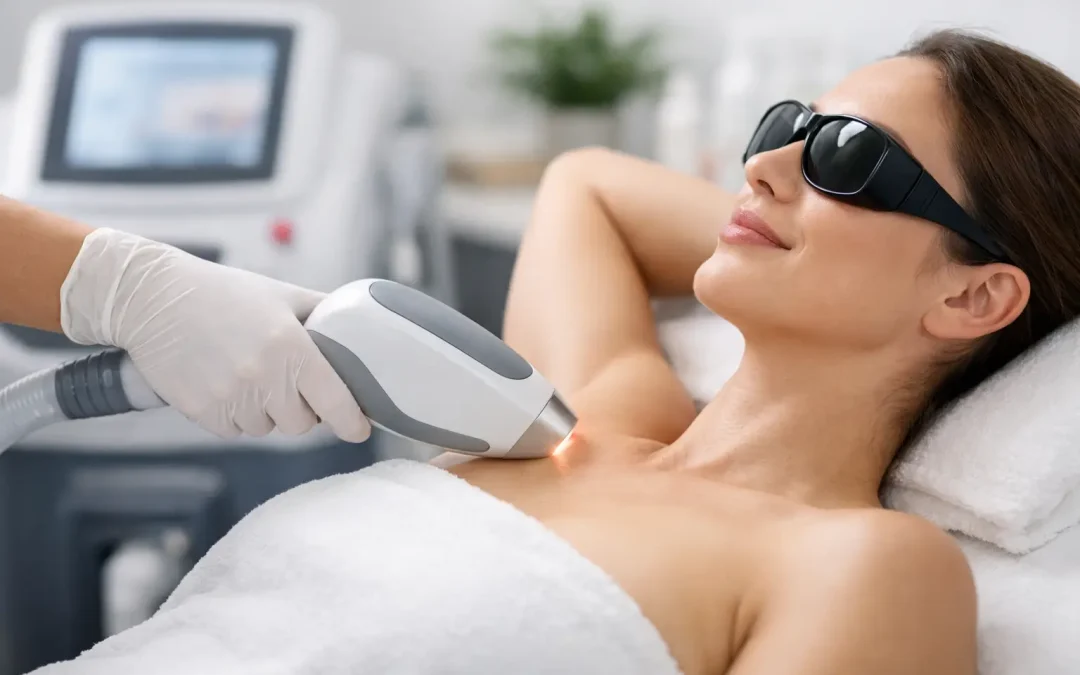
A close shave can look smooth in the morning and feel prickly again by dinner. Waxing can mean planning around appointments, regrowth, and sensitive skin. Laser hair removal for women offers a different path: a provider-guided series designed to reduce unwanted hair over time, so daily maintenance no longer has to take center stage.
The goal is not to promise that every hair disappears forever. The more honest expectation is long-term hair reduction, with many women experiencing finer, lighter, and less frequent regrowth after a complete treatment plan. Your skin tone, hair color, treatment area, hormones, and consistency with appointments all affect the outcome.
How Laser Hair Removal for Women Works
Laser treatments use carefully selected light energy to target pigment in the hair. That energy travels down the hair shaft to the follicle, where it helps disrupt the follicle’s ability to grow hair. The surrounding skin is protected by selecting appropriate settings for your skin type and using cooling measures when needed.
Hair does not all grow at the same time. Laser treatment is most effective when a hair is in its active growth phase, which is why one session is not enough. Treatments are typically spaced several weeks apart, allowing the provider to treat new groups of actively growing hairs as they cycle through.
For many clients, a series of six to eight treatments is a reasonable starting point. Some areas respond more quickly, while areas influenced by hormones, such as the chin, upper lip, or lower abdomen, may need additional sessions and occasional maintenance. A consultation is the right place to set expectations based on your individual hair growth pattern rather than a one-size-fits-all package.
Which Areas Can Be Treated?
Women choose laser hair removal for many practical reasons. It can simplify a morning routine, reduce the irritation associated with shaving, and make it easier to feel comfortable in clothing that exposes areas you would rather not constantly maintain.
Common treatment areas include the upper lip, chin, sideburns, underarms, bikini line, Brazilian area, legs, arms, stomach, and back. Small areas can be quick to treat, while larger areas such as the legs naturally require more time. Your provider can also help you decide whether treating a broader area makes more sense than addressing a small patch of hair that may blend into surrounding growth.
The bikini area is especially popular, but it deserves a personal conversation. “Bikini” can mean different things to different clients, from cleaning up hair outside a swimsuit line to more extensive removal. Clear communication helps your treatment plan match your comfort level and your goals.
Who Is a Good Candidate?
The best candidates generally have visible pigment in the hair being treated. Darker, coarser hair often responds well because the laser has more pigment to target. Blonde, red, gray, white, or very fine hair may be more difficult to treat effectively. An honest provider will tell you when laser treatment is unlikely to give you the value or result you want.
Modern laser technology can safely treat a wider range of skin tones than older systems, but treatment should never be generic. The device, wavelength, settings, and treatment approach need to be chosen with your skin tone and hair characteristics in mind. This is one reason medical oversight and an experienced treatment team matter.
Your health history matters, too. Tell your provider about medications, skin conditions, recent tanning, active infections, a history of cold sores if treating the face, and any tendency toward pigment changes or scarring. Pregnancy is generally a time to postpone elective laser hair removal, even if you have had treatments before. If you are managing hormonal changes, polycystic ovary syndrome, or perimenopause-related facial hair, treatment may still be helpful, but maintenance may be part of the long-term plan.
What a Treatment Appointment Feels Like
Before treatment, the area is usually shaved and cleansed. You will wear protective eyewear, and your provider may begin with a test spot or adjust settings based on how your skin responds. During the procedure, many clients describe the sensation as a quick snap of warmth against the skin. Cooling technology can make the process more comfortable.
Treatment time depends on the area. Underarms may take only minutes, while full legs require a longer appointment. Afterward, mild redness and a sunburn-like warmth are common and usually temporary. Some follicles may look slightly swollen for a short time, which can be a normal response.
You should be able to return to most normal activities quickly, but treat the area gently. Skip hot tubs, saunas, strenuous heat exposure, and intense workouts for the timeframe your provider recommends. Use sunscreen on exposed treatment areas, especially in Florida, where incidental sun exposure can happen on a quick drive, walk, or afternoon outdoors.
How to Prepare for Your First Session
Good preparation supports both comfort and treatment safety. Avoid tanning, self-tanner, and prolonged sun exposure before your appointment because extra pigment in the skin can change which settings are appropriate. If you have recently been in the sun, be direct about it. Rescheduling is sometimes the safest choice.
Shave the treatment area according to your provider’s instructions, often the day before or the day of treatment. Do not wax, tweeze, thread, or use depilatory creams in the weeks before a session unless your provider tells you otherwise. The follicle needs to be present for the laser to target it.
Arrive with clean skin free of lotion, deodorant, makeup, perfume, or oils on the treatment area. If you use prescription skincare, retinoids, or medications that can increase sensitivity to light, mention them during your consultation. It is always better to ask than to assume a product is fine to use before treatment.
Results Take Patience, Not Perfection
Laser hair removal is not an overnight solution. In the days and weeks after a session, treated hairs may appear to grow before they shed. This can be part of the normal process, not a sign that the treatment failed. Resist the urge to pluck them. Shaving between appointments is typically acceptable, while pulling hairs from the root can interfere with the next treatment.
As your series progresses, you may notice slower growth, smoother skin, and fewer ingrown hairs related to shaving or waxing. Results vary by area. Underarms and bikini hair can respond differently than facial hair, and hormonal hair can be more persistent. That does not make treatment unsuccessful. It means your plan should be realistic, flexible, and based on what your body is doing.
Cost should be discussed in the context of the full series, not just one appointment. Ask how many sessions are likely to be recommended, whether packages are available, and what maintenance might look like. Clear pricing and a personalized recommendation make it easier to choose treatment with confidence.
Planning Laser Hair Removal for Women Around Your Life
The best time to start is often before you need the final result. If you want less hair maintenance for a beach vacation, wedding season, or a future change in routine, begin several months ahead. This gives you time for properly spaced sessions and allows your skin to settle between treatments.
At A Younger You Med Spa, laser hair removal is approached as personal care, not a rushed transaction. A thoughtful consultation can help determine whether the treatment is right for your skin and hair, identify the areas that matter most to you, and create a schedule that fits real life.
You do not have to keep making peace with a routine that leaves your skin irritated or takes time you would rather spend elsewhere. A conversation with a qualified provider can give you clear answers, realistic expectations, and a treatment plan built around how you want to feel in your own skin.