
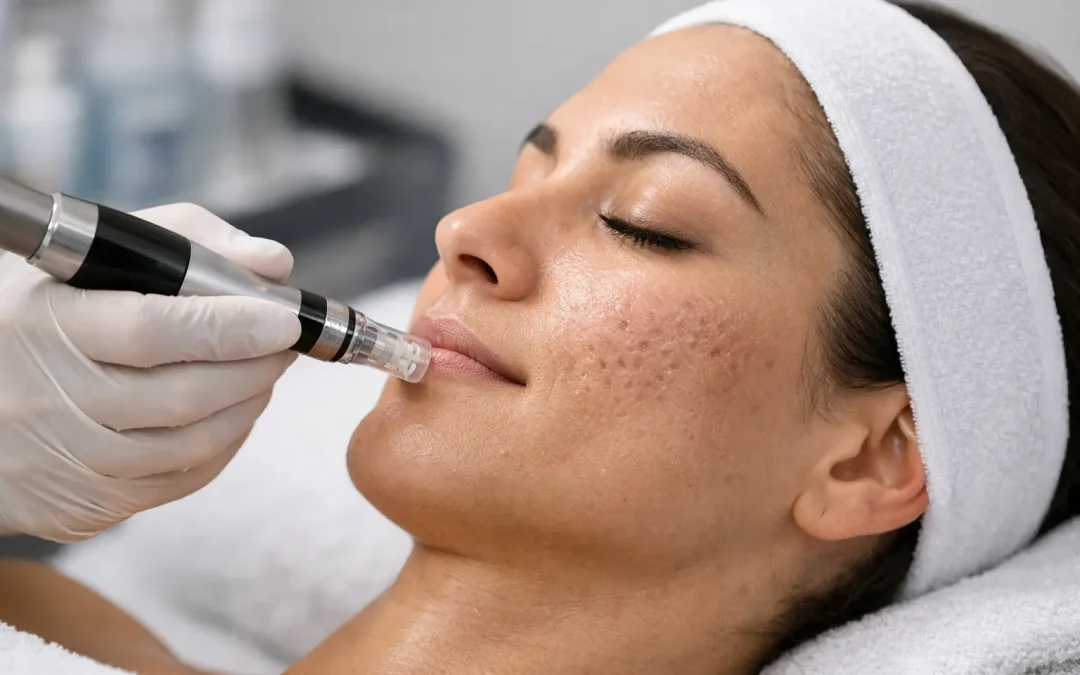
Acne may be temporary, but the reminders it leaves behind can feel much more permanent. If you have tried makeup, skincare, or at-home exfoliation without seeing a meaningful change in uneven texture, microneedling for acne scars may be worth discussing with a qualified provider. This collagen-stimulating treatment is designed to improve the look of certain indented scars gradually, helping skin appear smoother, firmer, and more even over time.
The key word is gradually. Acne scar treatment is not about promising perfectly filtered skin after one appointment. It is about understanding the type of scarring you have, choosing an appropriate treatment approach, and giving your skin the support and time it needs to remodel.
How Microneedling for Acne Scars Works
Microneedling uses a medical-grade device with very fine, sterile needles to create controlled microchannels in the skin. These tiny channels trigger the body’s natural wound-healing response, including the production of collagen and elastin. Collagen is one of the structural proteins that helps skin feel smooth and supported.
For many people with atrophic acne scars, which are depressed or pitted scars, this process can help rebuild some support beneath the surface. As collagen remodels, shallow boxcar scars and rolling scars may look softer and less noticeable. Improvement tends to be most visible in overall texture rather than in one scar disappearing overnight.
Microneedling can also create temporary pathways for selected professional skincare products. In some treatment plans, a provider may recommend platelet-rich plasma, or PRP, alongside microneedling. PRP is prepared from a small sample of your own blood and contains concentrated platelets and growth factors. Whether PRP is a good addition depends on your skin, goals, budget, and treatment plan.
Which Acne Scars Respond Best?
Not all acne scars behave the same way, so not all scars should be treated the same way. A close skin assessment matters before scheduling any procedure.
Rolling scars, which create a wavy or uneven appearance, often respond well to collagen-induction treatments because they are usually caused by changes beneath the skin’s surface. Shallow boxcar scars may also improve with a series of microneedling sessions. Some people notice additional benefits in skin tone, pore appearance, and fine lines.
Ice-pick scars are narrow and deep, and they may need a different approach, such as a targeted chemical reconstruction technique or another procedure recommended by your provider. Raised scars, known as hypertrophic or keloid scars, require extra caution because treatments that stimulate collagen are not automatically the right fit. Deep tethered scars may benefit from a procedure that releases the underlying scar tissue before or in combination with microneedling.
Active, inflamed acne should generally be under control before treating scars. Microneedling over painful cysts or open breakouts can aggravate irritation and is not the best path to clearer-looking skin. Treating active acne first can protect your investment in scar correction later.
What Happens During a Microneedling Appointment?
A thoughtful appointment begins well before the device touches your skin. Your provider should ask about your acne history, prior treatments, current skincare routine, medications, tendency toward dark marks, history of cold sores, and any conditions that may affect healing. This conversation helps determine whether microneedling is appropriate and what settings are safest for your skin.
On treatment day, your skin is cleansed and a topical numbing cream is usually applied. Once you are comfortable, the microneedling device is moved methodically across the treatment area. Needle depth is adjusted based on the location and severity of your scars. Cheeks may need a different approach than the forehead, chin, or more delicate areas of the face.
Most clients describe the procedure as manageable with numbing, though sensitivity varies from person to person. You may feel pressure, vibration, or a scratchy sensation in certain areas. A full-face treatment commonly takes about 30 to 60 minutes, not including numbing time and consultation.
Afterward, your skin may look pink to red and feel warm, similar to a moderate sunburn. Your provider may apply soothing products and give you clear instructions for the next few days. The goal is not to push your skin harder than necessary. Effective treatment balances meaningful collagen stimulation with appropriate healing time.
Recovery: What to Plan For
Redness and mild swelling are common for the first 24 to 48 hours. Some clients have lingering pinkness, light dryness, or a sandpaper-like texture for several days, especially after deeper treatment. Many people return to routine activities quickly, but you may prefer to schedule around an important event rather than treating the day before it.
Your aftercare should be simple and gentle. Use the products your provider recommends, keep hands away from your face, avoid picking or scrubbing, and protect your skin carefully from sun exposure. Freshly treated skin is more vulnerable to irritation and post-inflammatory hyperpigmentation, particularly for people prone to dark spots.
For a short period, you may need to pause potentially irritating products such as retinoids, exfoliating acids, and benzoyl peroxide. Avoid intense workouts, saunas, steam rooms, swimming pools, and heavy makeup immediately after treatment if your provider advises it. These precautions are not meant to be inconvenient. They help reduce unnecessary inflammation while the skin barrier recovers.
How Many Sessions Will You Need?
One session can leave skin looking fresher, but acne scar improvement typically requires a series. Many clients begin with three to six treatments, often spaced about four to six weeks apart. The right number depends on scar depth, skin type, previous treatments, healing response, and the degree of improvement you hope to see.
Collagen remodeling takes time. Some changes may become noticeable within a few weeks, while more meaningful improvement often develops over several months. Photos taken in consistent lighting can be helpful because texture changes are easy to overlook when you see yourself in the mirror every day.
A good provider will be honest about the likely outcome. Microneedling can improve the appearance of acne scars, but it cannot guarantee that every scar will disappear. For deeper or mixed scarring, a custom plan may include chemical peels, laser treatments, PRP, scar-release procedures, or professional home skincare. Combining the right treatments can be more effective than repeating one treatment that is not fully addressing the concern.
Safety and Skin Tone Considerations
Professional microneedling is generally well tolerated when performed by trained, qualified providers using proper technique and sterile equipment. It is not the same as aggressively rolling a device across your skin at home. At-home devices may carry risks of irritation, infection, and worsening discoloration if they are used incorrectly or on active acne.
Microneedling can be a valuable option for a broad range of skin tones because it does not rely on heat in the same way some laser treatments do. Still, anyone with a history of hyperpigmentation needs a tailored approach. Treatment depth, skincare preparation, sun protection, and post-treatment care all matter. If you are pregnant, taking certain medications, have an active infection, tend to develop keloids, or have a healing-related medical condition, your provider should review whether treatment should be postponed or avoided.
Questions Worth Asking at Your Consultation
Before moving forward, ask what type of acne scars you have and whether microneedling is expected to address them. Ask how many sessions are realistic, what downtime to expect for your particular skin, and whether another treatment would improve your results. You should also feel comfortable asking about pricing and how to plan treatment around work, travel, or social events.
At A Younger You Med Spa, the conversation should feel personal rather than rushed. Your skin history, comfort level, budget, and desired outcome all deserve a place in the plan. Choosing care with experienced provider oversight can help you move forward with realistic expectations and confidence.
Your acne scars are only one part of your story, but you do not have to ignore a concern that affects how you feel in your skin. A professional consultation can give you clear answers, a practical timeline, and a treatment plan built around progress you can genuinely feel good about.